Reviewed September 30, 2026. This guide is educational. Performance, emissions compliance and warranty outcomes depend on the exact vehicle, part, software, installation and market.
Quick answer: what does a cold air intake do?
A cold air intake replaces or reroutes parts of the factory inlet to reduce restriction, draw air from a cooler location or change intake sound. Any horsepower gain is application-specific: the result depends on the factory system, tube geometry, filter, sensor calibration, heat shielding, engine controls, tune and test conditions. Do not buy from a universal horsepower claim.
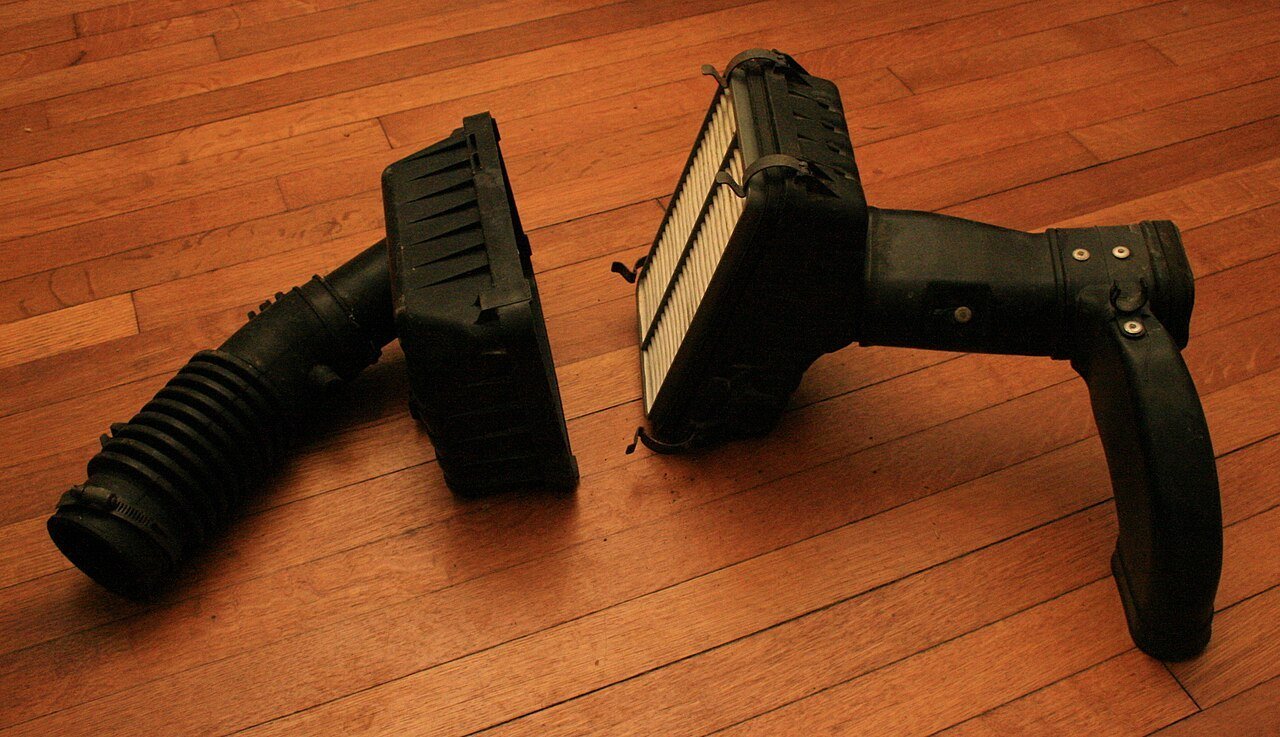
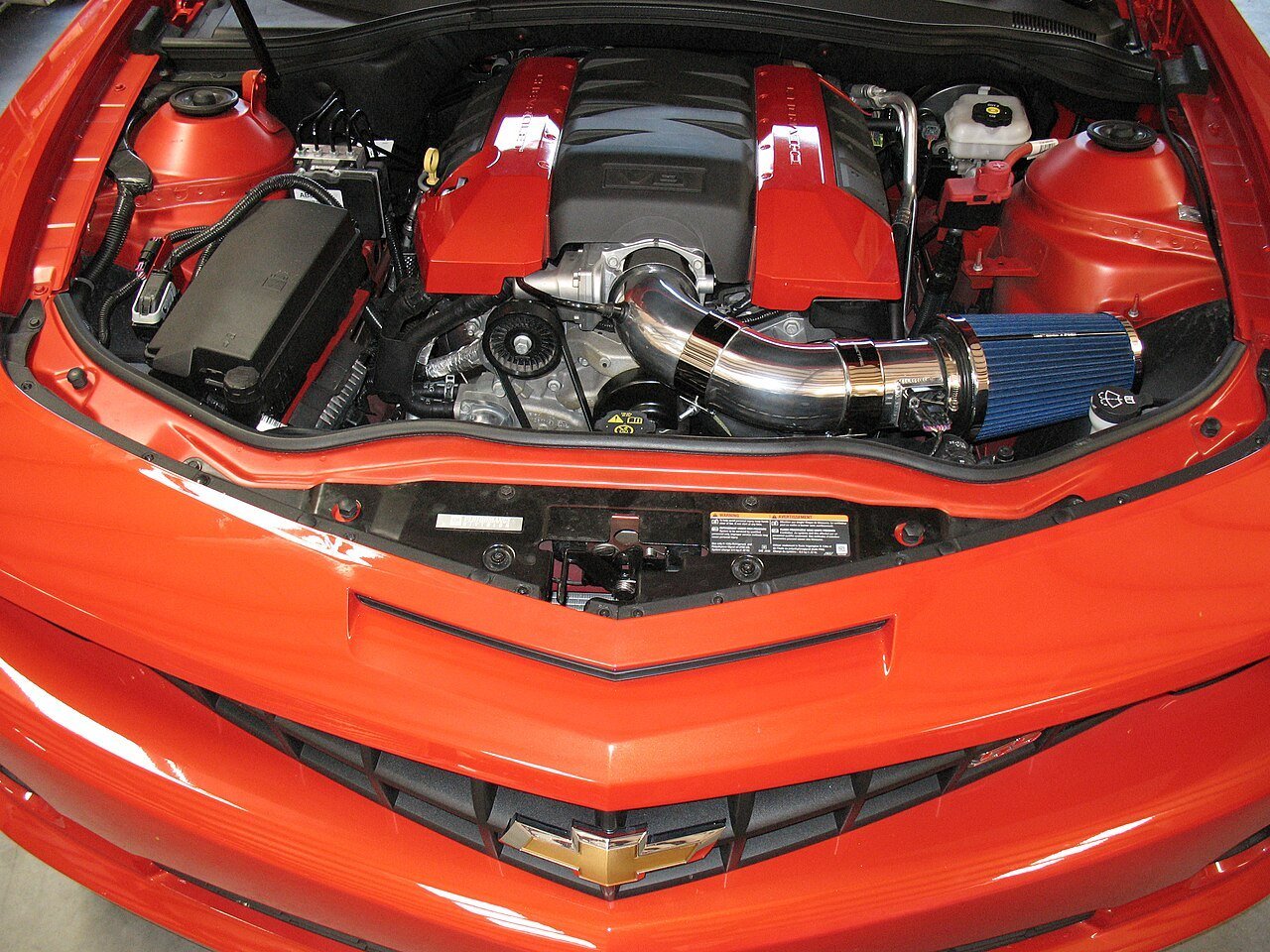
The name “cold air intake” covers very different hardware. One kit moves the filter behind the bumper; another leaves an open cone beside the engine and is more accurately described as a short-ram intake; a third uses a sealed airbox and larger ducting. All three may look similar in a listing while behaving differently in traffic, rain and sustained track use.
A useful buying decision separates four questions: Does the system fit? Does it deliver repeatable airflow and temperature for this vehicle? Can the engine management measure that air correctly? Is the part lawful and supportable where the car is used? This guide answers those questions without promising a fixed power number.
Factory airbox vs cold-air system vs short ram
| Layout | Likely strengths | Main risks | Ask the seller for |
|---|---|---|---|
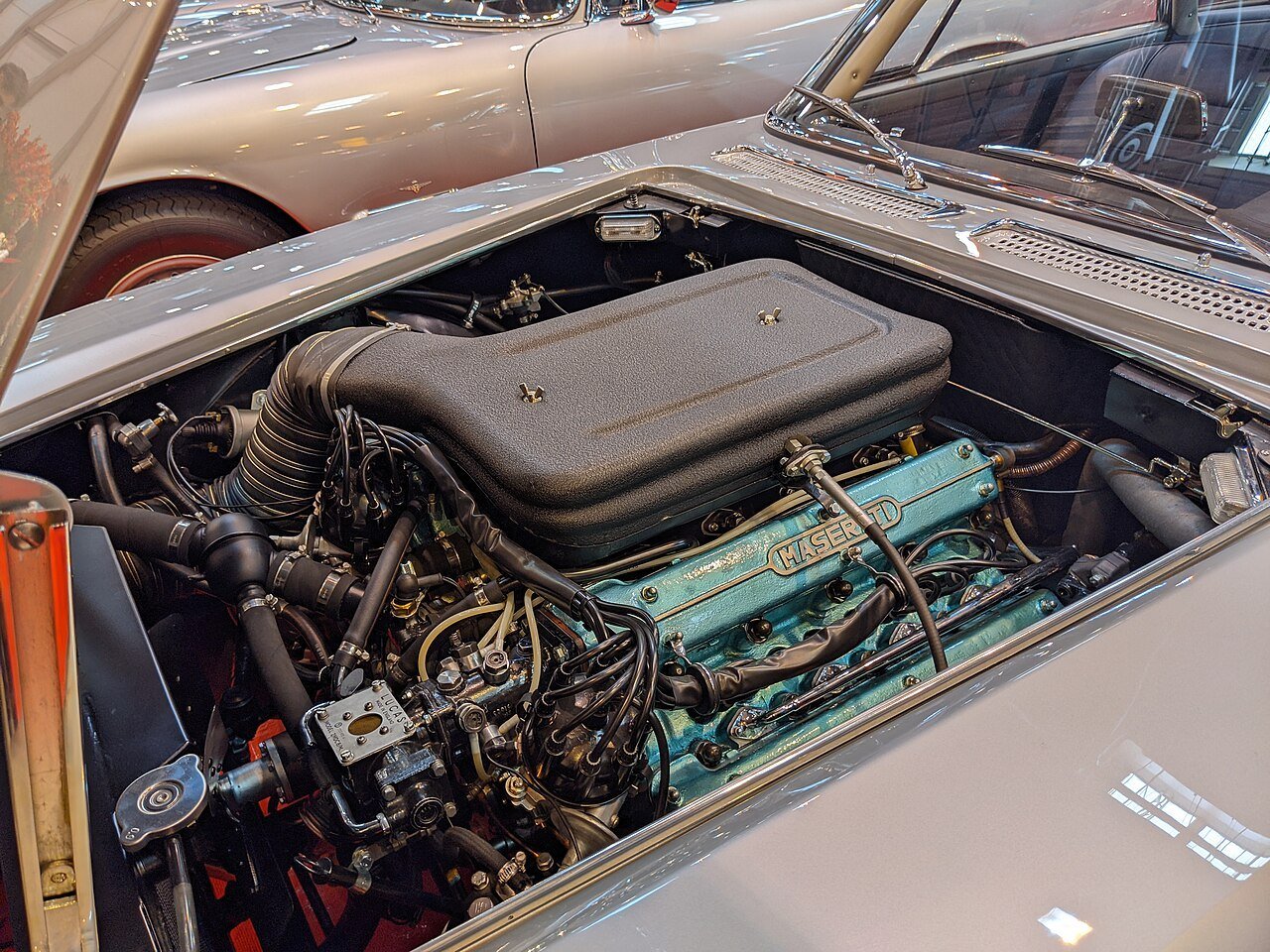
| Factory airbox | Validated sealing, noise control, water management and sensor behavior | May become restrictive after major power changes | Baseline logs and filter condition before replacing it |
| Sealed cold-air system | Can isolate the filter from engine-bay heat and increase flow area | Complex routing, fitment and water exposure if the pickup sits low | Application-specific temperature logs, dyno method and water-management details |
| Open short-ram intake | Simple routing, strong induction sound and easy service access | Heat soak at low speed, exposed filter and possible sensor turbulence | Moving and stationary logs, heat shield design and sensor placement |
| Front-mount performance intake | Direct cool-air path and large filter area on suitable platforms | Long route, bumper work, debris and standing-water exposure | Clearance photos, drainage plan and install guide for the exact bumper |
Use the RevexaAuto engine, intake and cooling collection to identify model-specific systems, then validate every claim against the exact engine, model year and software configuration.
1. Define the goal before choosing the layout
Buy for a measured objective: repeatable airflow at a power target, lower inlet temperature under a defined condition, service access, weight, packaging or sound. “More power” is too vague. A nearly stock daily driver may value OEM-like water protection and stable trims more than peak dyno airflow. A tuned turbo car may need a larger inlet because its mass-flow target is far above stock.
Ask what problem the factory system creates at your current or planned power level. If there is no logged restriction, temperature or flow limitation, an intake may mainly change sound and appearance. That can still be a valid goal, but the purchase should be described honestly.
For a BMW S58 build, compare a sealed or front-mount design such as the G80 M3/G82 M4 carbon-fiber front-mount intake with the car’s use, climate and bumper configuration instead of choosing only by tube material.
2. Demand application-specific performance evidence
A dyno graph is useful only when you know what changed. Ask whether the same vehicle, fuel, tires, tune, gear, test protocol and correction method were used. Check the number of runs and whether the order was alternated to reduce heat-soak bias. A single best run after a long cooldown is not the same as repeatable performance in traffic.
Intake temperature matters to charge density and engine control, but it is only one part of the system. An SAE technical paper on intake-air cooling notes that cooling compressed air is used to improve cylinder filling in turbocharged engines. It does not prove a retail intake’s advertised gain. Treat that underlying principle as a reason to measure temperature, not as a substitute for an application test.
Ask for logs of ambient temperature, pre-compressor or manifold temperature as appropriate, boost, airflow, fuel trims, ignition correction and vehicle speed. Compare steady low-speed heat soak and repeated acceleration, not only one wide-open-throttle pull.
3. Check MAF, MAP and tube-geometry compatibility
Many engines calculate load using a mass-air-flow sensor; others are primarily speed-density systems using pressure and temperature sensors; some combine strategies. On a MAF-equipped car, sensor housing diameter, placement, clocking and upstream bends can change the signal. An intake can fit mechanically yet create unstable trims, a check-engine light or poor drivability.
Request the exact sensor adapter, straight-run length and software requirement for the application. Do not assume that a larger tube is automatically better: if the calibration expects the original housing, changing cross-sectional area can alter the relationship between sensor output and actual airflow. Follow the kit maker’s instructions for the sensor seal and orientation.
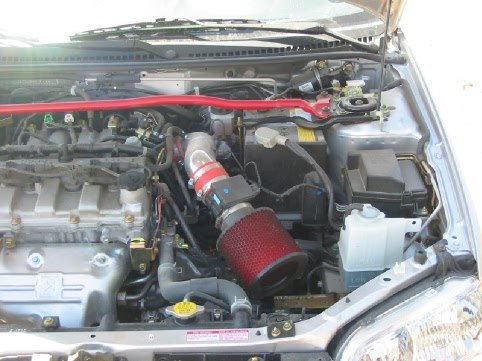
4. Separate cool-air access from heat-soak marketing
A filter near a hot engine can ingest warmer air at idle and low road speed. A heat shield helps only when it separates the hot zone and receives a reliable fresh-air feed. A closed lid, sealed duct and controlled pickup generally isolate the filter more completely than a small metal wall around an open cone.
Carbon fiber can reduce radiant heat transfer compared with bare metal and offers low mass, but the full layout matters more than the visible weave. Look at lid seals, gaps around the filter, duct cross-section and the route from the exterior inlet. A short path with poor isolation may sound exciting while heat soaking in traffic.
Evaluate a model-specific option such as the BMW G8X M2/M3/M4 cold-air intake system by requesting installed temperature logs and checking whether the test vehicle used the same bumper, ducts and engine calibration as yours.
5. Plan for water, debris and hydrolock risk
A low-mounted filter can access cooler air but also sits closer to splash, road debris and standing water. Engines compress air, not liquid; enough water entering a cylinder can cause severe damage. Risk depends on pickup height, shielding, drain paths, driving conditions and whether the vehicle is used in flooding or deep water.
Inspect the full route, not just the filter. Ask where rainwater drains, whether the splash liner stays intact and what conditions the maker says to avoid. A water-resistant pre-filter may help with spray and dirt but should not be treated as permission to drive through deep water. If the climate has heavy rain or flooding, a higher sealed pickup may be the smarter compromise.
6. Compare filtration with a recognized test framework
Airflow is only half of an air cleaner’s job. It must also capture dust and hold it without excessive restriction. ISO 5011:2025 specifies laboratory procedures for comparing air cleaners, including airflow restriction, dust-collection efficiency and dust capacity. Ask for test data that identifies the standard, filter size and exact media rather than accepting an unlabeled percentage.
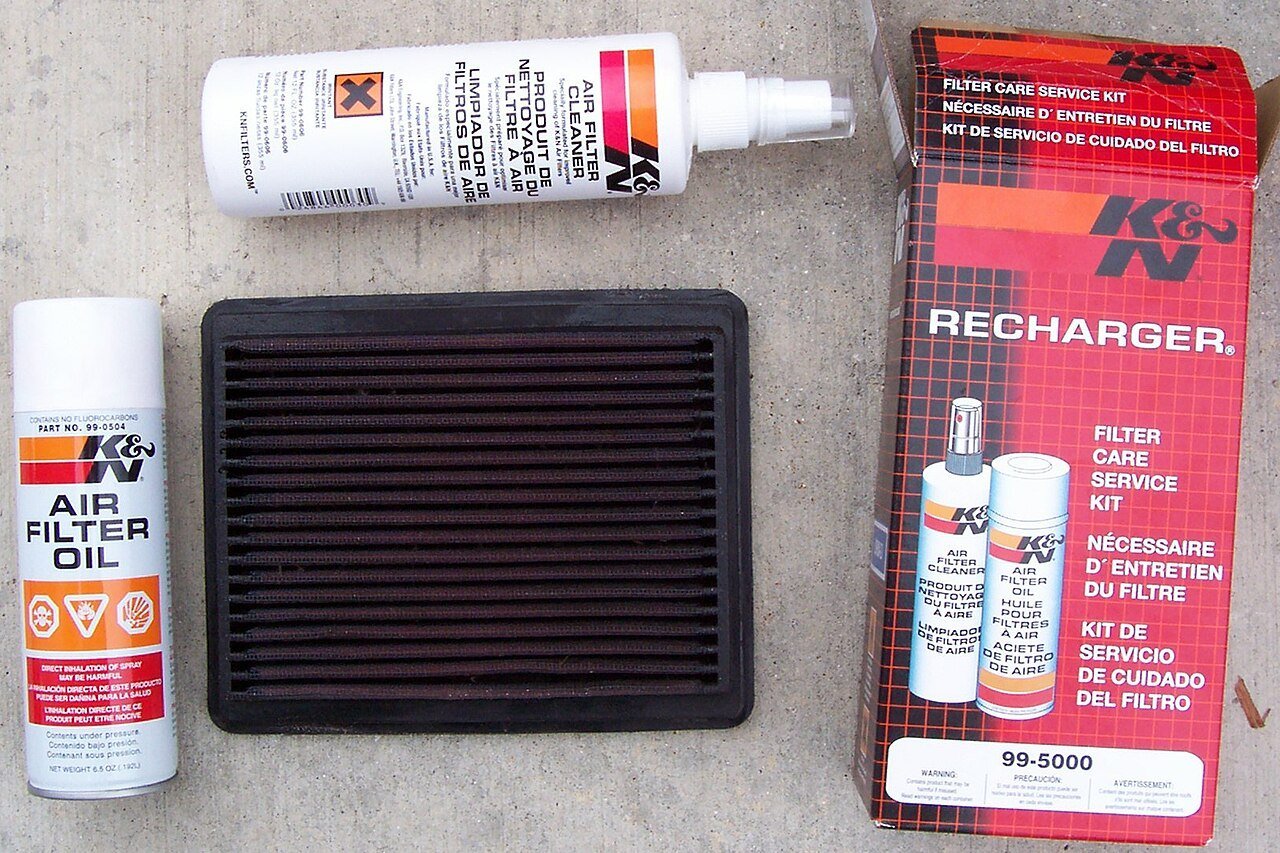
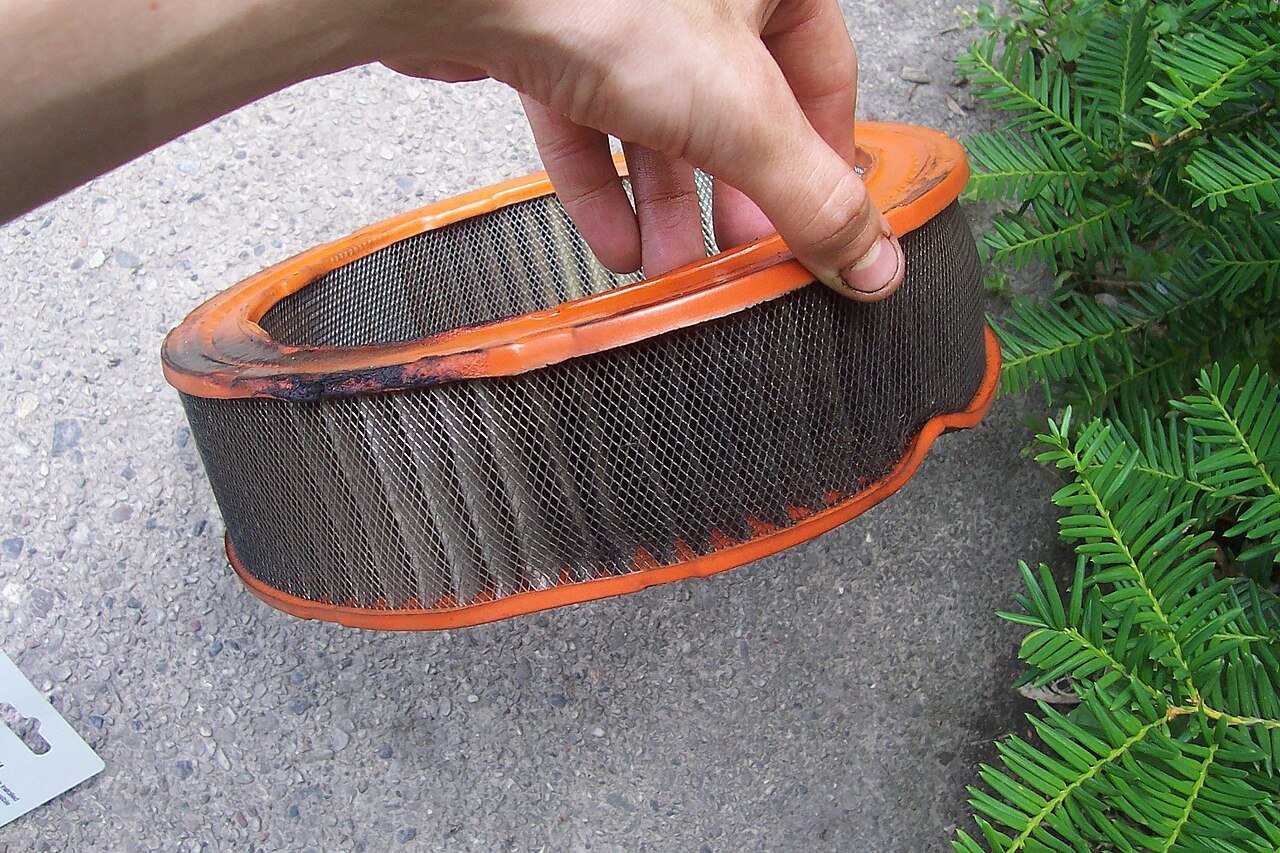
Common choices include dry synthetic media, oiled cotton gauze and disposable paper. Each has tradeoffs in service, dirt capacity, water behavior and the chance of incorrect maintenance. An oiled filter must be cleaned and re-oiled with the prescribed amount; excess oil or an incompletely dried filter can create problems. A dry filter still needs the maker’s cleaning or replacement interval.
7. Verify emissions legality for the exact vehicle
Road-use rules vary by country, state and part. In the United States, the EPA’s tampering policy explains the federal framework for vehicle modifications and aftermarket defeat devices. A part should not bypass or render emissions controls inoperative.
California uses Executive Orders for qualifying add-on and modified parts. The CARB aftermarket-parts database lets buyers check an EO and covered applications. An EO number for one engine family or model year should not be generalized to another.
As of July 2026, EPA also recognizes SEMA’s Certified Emissions program as an alternative path for demonstrating federal compliance, according to the agency’s official announcement. That does not make every aftermarket intake legal. Verify the exact part number, vehicle, engine, model years and jurisdiction before purchase.
8. Protect the vehicle warranty and service trail
In the U.S., an aftermarket part does not automatically cancel the entire vehicle warranty. The FTC’s auto-warranty guidance says the manufacturer or dealer must show that the aftermarket or improperly installed part caused the damage before denying coverage for that damage. Other countries have different laws and processes.
Keep the stock intake, invoice, installation guide, photos and any pre- and post-install logs. Record filter service. If a diagnostic issue appears, the ability to return the car to a known stock configuration helps the workshop isolate the cause. Read the intake maker’s warranty for filter service, finish, clamps, sensors and consequential damage.
9. Budget installation, tuning and long-term service
Total cost includes shipping, duties, removal of trim or bumper parts, clamps, couplers, replacement gaskets, sensor adapters, tuning, dyno or road logging and future filter service. A front-mount system can require more labor and exposes more components to road debris than an under-hood kit.
Confirm whether a tune is optional, recommended or required. If the vehicle already has aftermarket software, ask the tuner whether the intake diameter and sensor housing are supported. For an S58 application, compare options such as the G80/G82/G83 front-mount cold-air system and the titanium S58 cold-air intake by complete specification, not only material and price.
9-point cold air intake checklist
- Define whether the goal is airflow, lower temperature, sound, appearance or a power target.
- Confirm exact make, model, year, engine, market and current software.
- Identify the MAF/MAP strategy and the supported sensor housing geometry.
- Request repeatable dyno and temperature logs with test conditions.
- Inspect sealing, heat shielding, duct source and low-speed heat-soak behavior.
- Map water exposure, drainage, splash protection and filter height.
- Compare filtration efficiency, capacity, restriction and service instructions.
- Verify emissions documentation for the exact part and vehicle.
- Add installation, tuning, logging, freight and filter service to total cost.
Frequently asked questions
How much horsepower does a cold air intake add?
There is no honest universal number. A nearly stock vehicle with an efficient factory airbox may gain little, while a tuned engine near the original inlet’s flow limit may respond more. Require same-vehicle tests and complete conditions.
Does a cold air intake need a tune?
It depends on the engine-management strategy and the kit’s tube and sensor design. Some systems are developed for stock calibration; others change measured airflow enough to require supported software. Follow the application documentation and verify with the tuner.
Is a short-ram intake the same as a cold air intake?
Not necessarily. A short-ram system usually places the filter in the engine bay and prioritizes a short flow path. A true cold-air layout draws from a cooler, separated location. Marketing names alone do not show how the system behaves.
Can a cold air intake cause hydrolock?
A low intake can increase water-ingestion risk if the filter or pickup is submerged or exposed to heavy splash. Actual risk depends on routing, shielding, drainage and driving conditions. Avoid deep water and follow the maker’s weather guidance.
Are oiled or dry air filters better?
Neither is universally better. Compare documented filtration, restriction, dust capacity, service interval and application requirements. Oiled media demands correct cleaning and oil quantity; dry media has its own cleaning or replacement procedure.
Buy the measured system, not the loudest claim
A successful intake upgrade matches the engine, sensors, calibration, climate and use case. It controls heat and water, filters effectively, preserves stable engine management and comes with credible application data. For a product and fitment review, send RevexaAuto your VIN, engine, current modifications, destination country and power goal. Review the site’s editorial and product-information standards for how fitment and evidence are presented.
Sources and further reading
- ISO 5011:2025: Air-cleaner performance testing
- SAE 2018-01-0973: Intake-air temperature and charge cooling
- U.S. EPA: Vehicle tampering policy
- U.S. EPA: Aftermarket parts and tampering fact sheet
- U.S. EPA: 2026 SEMA certification announcement
- California Air Resources Board: Aftermarket-parts EO database
- CARB: Aftermarket parts and Executive Orders overview
- FTC: Auto warranties and aftermarket parts