
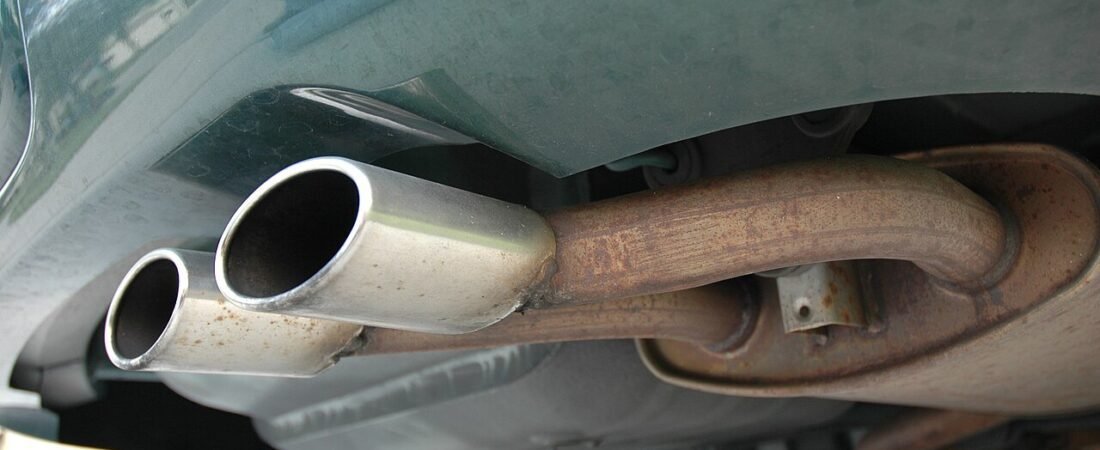
Quick answer: A cat back exhaust replaces the exhaust components after the catalytic converter, usually including the mid-pipe, resonator, rear muffler, hangers and tips. It can change tone, volume, appearance and weight. Power gains on an otherwise stock road car are usually modest and vehicle-dependent, so the right system is the one that fits the exact model, controls drone and matches local noise rules.
That definition sounds simple. Buying one is not. Pipe diameter, resonator volume, muffler construction, valve strategy, material, body style and even transmission gearing can change the result. This evidence-led guide explains what you are paying for, what a system can realistically do and the checks that prevent an expensive fitment mistake.
Last reviewed: October 1, 2026. Prepared by the RevexaAuto Technical Team. Vehicle regulations and manufacturer instructions can change; verify the current rules and service data for your car before installation.
What is a cat-back exhaust?
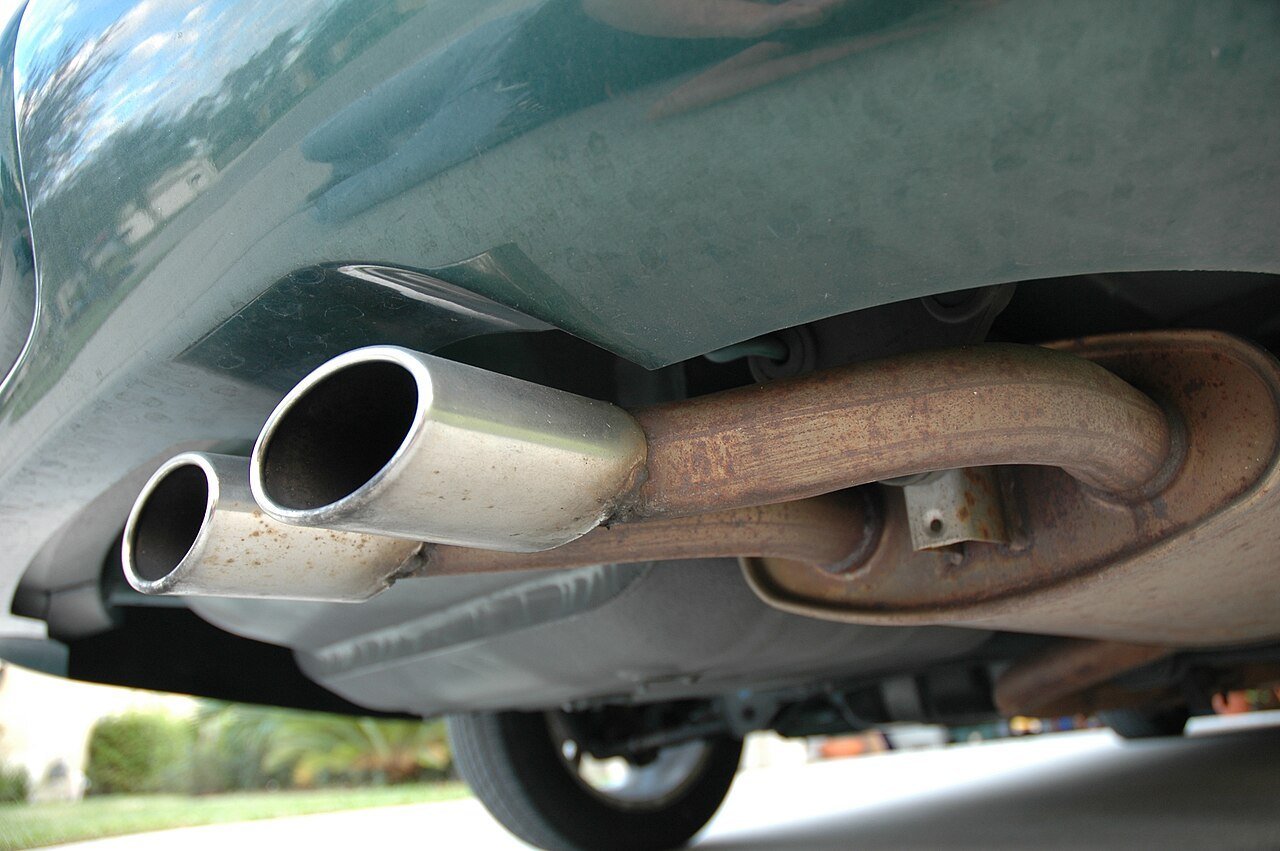
“Cat-back” describes the section that begins after the catalytic converter and continues to the exhaust outlets. On one car that may be a short rear section; on another it may include a long center pipe, one or more resonators, a transverse muffler and multiple tips. The boundary matters because a true cat-back normally retains the original emissions-control catalyst.
That does not make every system automatically legal. The U.S. Environmental Protection Agency explains that removing or rendering emissions controls inoperative can constitute prohibited tampering in its vehicle and engine tampering policy. Noise is a separate issue governed by state, provincial or national rules. California’s Bureau of Automotive Repair, for example, describes enforcement work around modified exhaust noise. Check both emissions and sound requirements where the vehicle is registered and driven.
Typical components
- Connecting or mid-pipe: carries gas rearward from the factory junction.
- Resonator: tunes selected frequencies and can reduce rasp or steady-speed drone.
- Muffler: attenuates a broader range of sound through chambers, packing or both.
- Valves, when fitted: redirect flow between quieter and louder paths.
- Hangers, clamps and gaskets: locate the system while allowing thermal growth and vibration isolation.
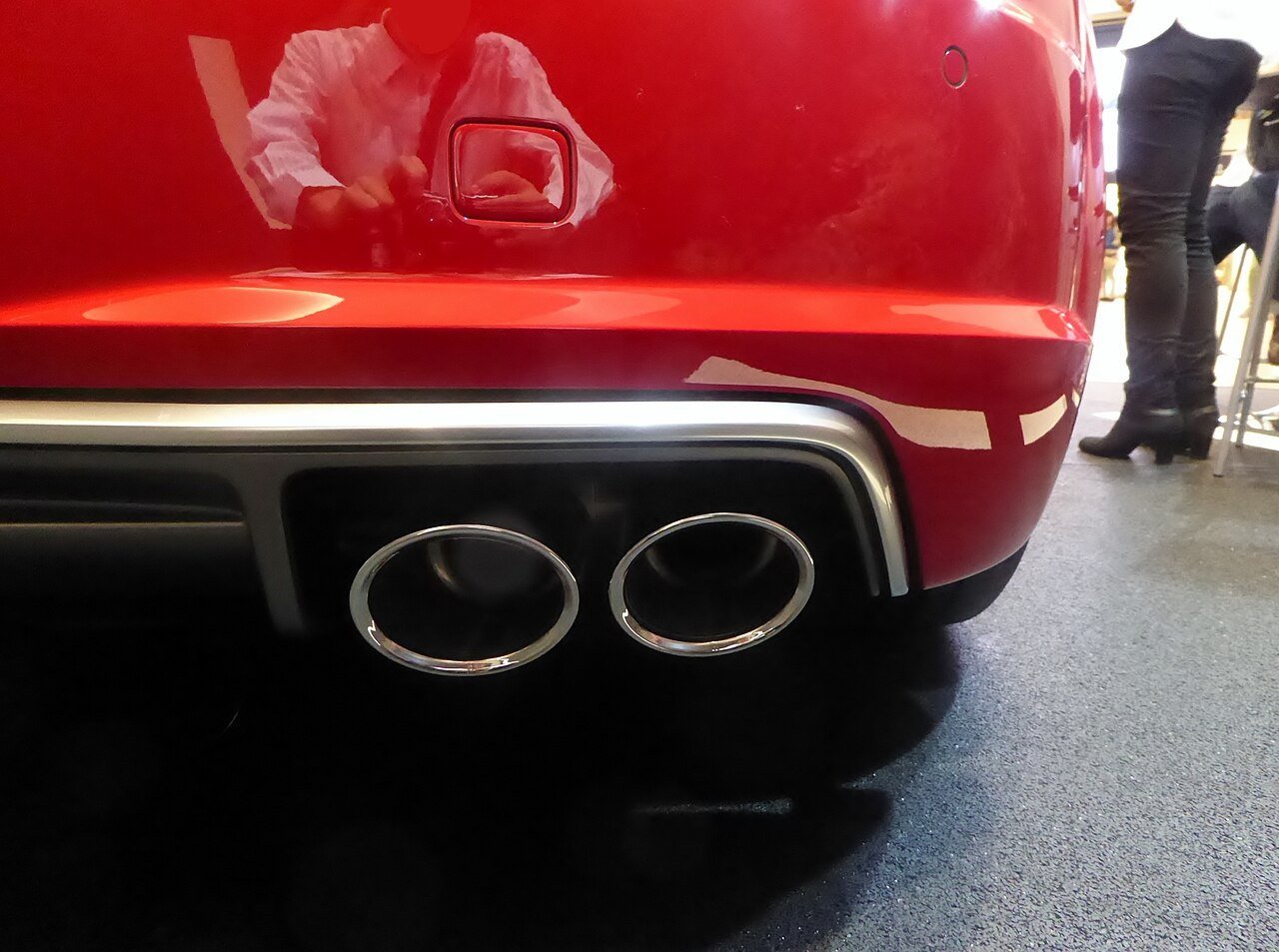
- Tips: finish the outlet and affect appearance; they do not define the whole system’s performance.
What changes after installation?
Sound: the most noticeable result
Most buyers will hear a larger change than they feel in acceleration. A larger pipe or freer-flowing silencer can raise volume, but loudness alone says little about quality. The better question is whether the system produces the tone you want during cold start, light-throttle cruising, highway operation and full load.
Drone is a narrow, persistent cabin resonance that often appears at a particular engine speed. A car that sounds exciting during a short clip can become tiring on a two-hour drive. Resonator placement, pipe length, cylinder firing frequency, cabin structure and final-drive ratio all matter. Technical work published by SAE has examined the tradeoff between sound quality and exhaust restriction; it is a system-design problem, not a contest for the emptiest muffler.
Power and response: possible, but not universal
Reducing unnecessary restriction can lower pumping work at higher flow rates. An SAE study on engine efficiency and reduced backpressure illustrates why the relationship is measurable, but it does not prove a fixed horsepower gain for every aftermarket part. The factory catalyst, turbocharger, manifolds, calibration and original pipe size may still dominate the restriction.
Treat an advertised peak number as relevant only when the test vehicle, fuel, correction method, baseline, gear and complete hardware match your car. For a naturally aspirated vehicle, diameter and gas velocity also need balance. For a turbocharged vehicle, the turbine changes the pressure system, yet the same rule remains: a dyno result for one configuration should not be copied to another.
Weight, durability and appearance
A well-designed stainless or titanium assembly may reduce mass relative to a heavy original muffler, but material does not guarantee a lighter product. Wall thickness, number of silencers, valve hardware and tip construction matter. Ask for the assembled weight and compare it with the removed factory section on the same model.
Resonated, non-resonated or valved?
| Design | Best for | Main tradeoff | Verify before buying |
|---|---|---|---|
| Resonated | Daily use and controlled tone | Usually more mass and cost than a straight mid-pipe | Target RPM range and whether the resonator addresses drone |
| Non-resonated | Maximum raw volume where lawful | Greater risk of rasp and cabin resonance | Cold-start and highway recordings under comparable load |
| Valved | Drivers who need quiet and loud modes | More moving parts, wiring and control logic | Fail-safe position, controller behavior and legal use |
A valve does not magically make a noncompliant system legal, and “closed” is not always factory-quiet. Valve location and bypass routing determine how much of the silencing path is used. Research on a variable-valve exhaust muffler shows why the mechanical and acoustic design must be evaluated together.
For vehicle-specific options, compare RevexaAuto’s valved Lexus IS V6 cat-back system, stainless valvetronic BMW G8X system and valved Toyota Supra A90 system. These are different applications, not interchangeable templates.

Which material should you choose?
304 stainless steel
Quality 304 stainless steel is a sensible all-weather choice because it balances corrosion resistance, repairability, availability and cost. Construction quality still matters: inspect weld consistency, flange flatness, hanger placement and whether dissimilar fasteners can seize or corrode.
Titanium
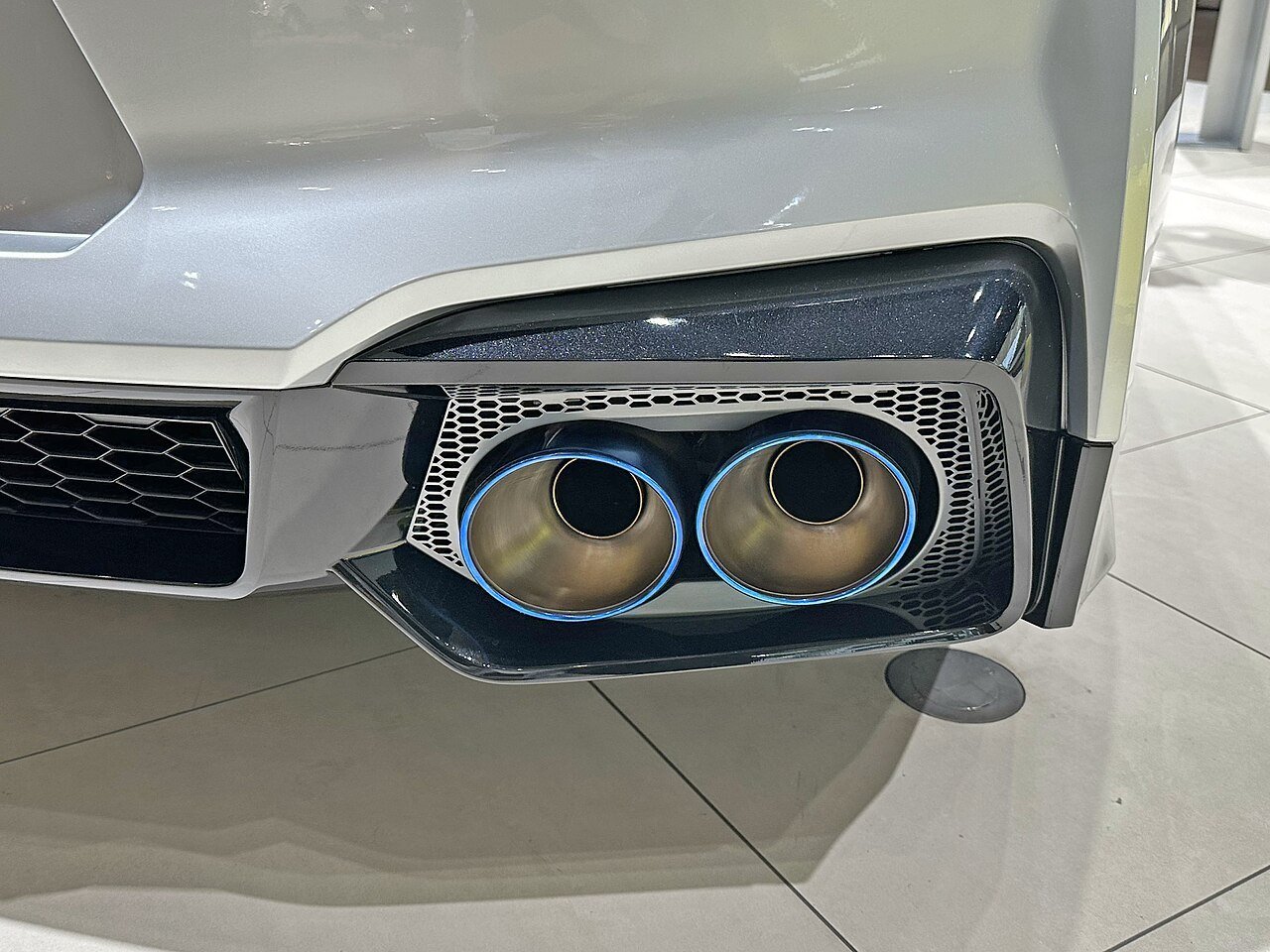
Titanium can offer a high strength-to-weight ratio and a distinctive finish, but it costs more and demands good fabrication. A titanium label alone does not establish alloy grade, wall thickness or complete-system mass. Buyers prioritizing weight can compare the application and specifications of the McLaren 720S titanium cat-back and the BMW G8X titanium valved system.
Aluminized steel and mixed construction
Aluminized steel can be economical in mild conditions, while mixed systems may combine stainless pipes with coated or polished tips. Ask what each major component is made from rather than relying on a single headline material.
Seven fitment checks before ordering
- Exact chassis and model year: a mid-cycle update can move flanges, hangers or bumper outlets.
- Engine and induction: different engines often use different pipe diameters and junctions.
- Body and wheelbase: coupe, sedan and long-wheelbase variants may require different center sections.
- Drive layout: AWD hardware can change underfloor routing and heat clearance.
- Factory option: OEM performance exhausts and particulate filters can alter connections and electronics.
- Tip and diffuser geometry: confirm count, spacing, diameter, projection and heat clearance.
- Market specification: regional models may use different emissions or acoustic hardware.
Use a VIN when the seller requests it, and compare photographs of the existing underside with the product’s connection points. RevexaAuto’s broader exhaust systems and tips collection is a discovery page; the product fitment notes and a direct confirmation are the decision points.
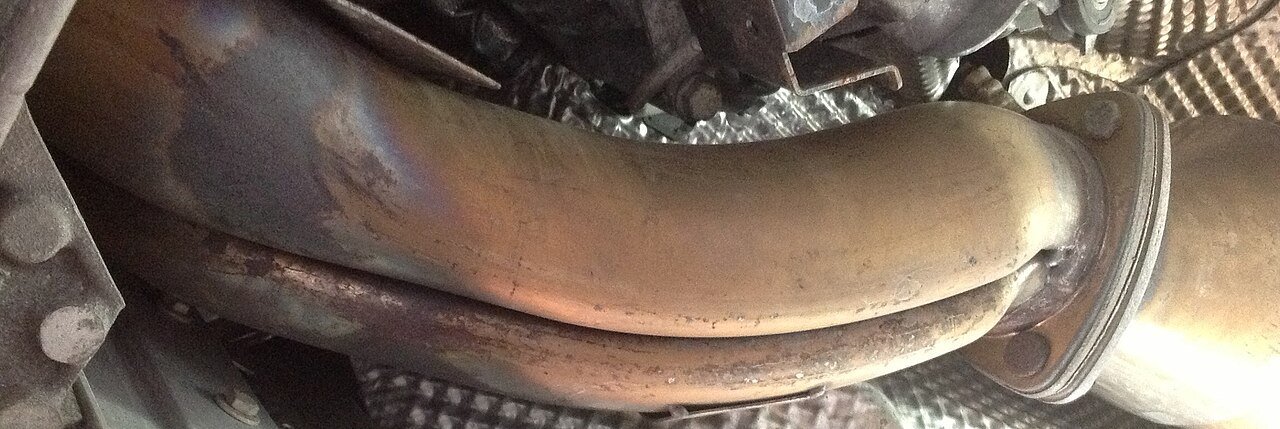
Installation, break-in and maintenance
Exhaust systems become extremely hot and a vehicle supported only by a jack is unsafe. If you lack a lift, rated stands, correct tools or experience with seized fasteners, use a qualified workshop. Follow the vehicle and system manufacturer’s sequence and torque specifications; there is no universal clamp torque.
- Inspect the delivered pipes, welds, flanges, clamps, gaskets, hangers and wiring before removing the original system.
- Support every section before releasing hangers. Penetrating lubricant and correct exhaust-hanger tools reduce uncontrolled movement.
- Assemble loosely from the front junction rearward, checking that slip joints overlap correctly.
- Center the tips and create clearance around heat shields, suspension, driveshafts, wiring and the bumper.
- Tighten in the documented sequence. Do not force a misaligned section into position with the clamp.
- Start the engine in a ventilated area. Check for leaks, rattles and contact at idle, then after a controlled heat cycle.
- Reinspect fasteners and clearances after the maker’s specified mileage because joints can settle as the system cycles.
If a modification leads to a warranty disagreement in the United States, the Federal Trade Commission’s consumer guidance on auto warranties and service contracts is a useful starting point. It is not a substitute for the written warranty or legal advice.

Cat-back buyer checklist
- Exact year, make, model, chassis, engine, body style, drive type and market confirmed.
- Catalyst and other emissions equipment remain unaltered unless a lawful, documented application says otherwise.
- Cold-start, acceleration and steady-speed sound evaluated—not only revving clips.
- Resonated, non-resonated or valved layout chosen for the real driving pattern.
- Material grade, wall thickness, assembled weight and warranty documented.
- Tip diameter and bumper/diffuser clearance confirmed.
- Local stationary and roadside noise rules checked.
- Installation hardware, valve electronics and professional labor included in the budget.
Frequently asked questions
Does a cat-back remove the catalytic converter?
Normally, no. By definition it begins downstream of the catalytic converter. Verify the actual junction on the product diagram and your car because naming practices vary.
How much horsepower does it add?
There is no responsible universal number. Results depend on the original restriction, engine airflow, turbo system, calibration and test method. Expect the sound change to be more obvious than the power change on many otherwise stock road cars.
Will it cause a check-engine light?
A correctly fitted downstream-only system normally leaves catalyst and oxygen-sensor functions unchanged. Leaks, damaged wiring, an incorrectly identified product or a system that actually modifies monitored hardware can still trigger faults.
Is a valved system worth it?
It can be valuable when the same car handles quiet departures, long highway trips and enthusiastic driving. Confirm what happens if power, vacuum or the controller fails, and remember that the driver remains responsible for local noise compliance.
Do larger pipes always make more power?
No. Flow capacity is only one design variable. Oversizing can add mass, change acoustic behavior and provide no measurable benefit when another component is the limiting restriction.
Bottom line: buy for verified fitment and the sound behavior you will live with every day. A credible seller should be able to identify the exact application, describe the silencing strategy and explain the installation interface—not just promise “more flow.”



.JPG)
.jpg)


