
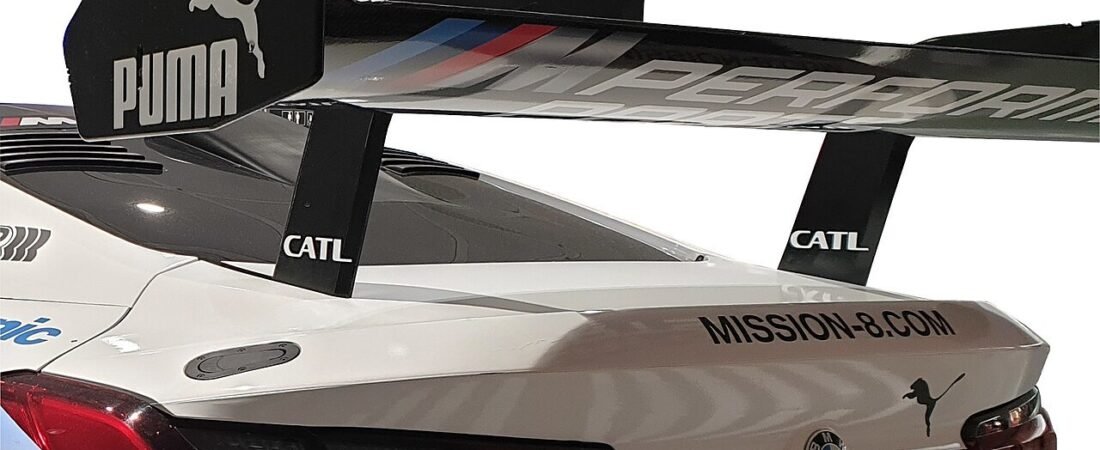
Quick answer: Choose a carbon fiber spoiler by the result you need, then verify its footprint, curvature, mounting method, trunk operation and finish. A low lip can organize flow and change the car’s appearance with little projection; a high-kick spoiler changes the rear-edge geometry more aggressively; a pedestal wing places an airfoil in cleaner air and transfers larger loads through its mounts. None should be assumed to add useful downforce merely because it is carbon fiber.
This guide separates styling language from aerodynamic function, shows what to measure before ordering and explains why installation quality matters. It is written for enthusiasts, workshops and distributors using engineering references, service procedures and materials guidance rather than generic “race-inspired” claims.
Last reviewed: October 3, 2026. Prepared by the RevexaAuto Technical Team. Always follow the spoiler maker’s instructions and vehicle-specific service information.
Spoiler vs wing: what is the difference?
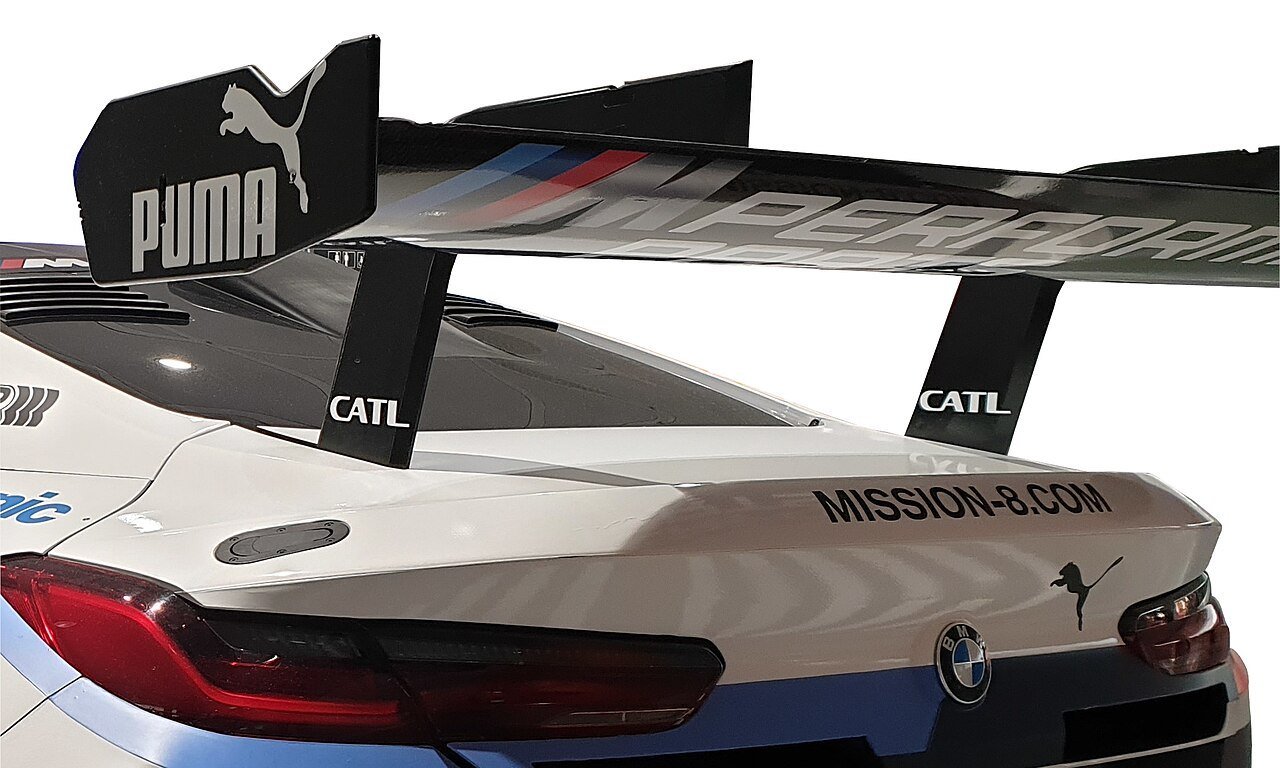
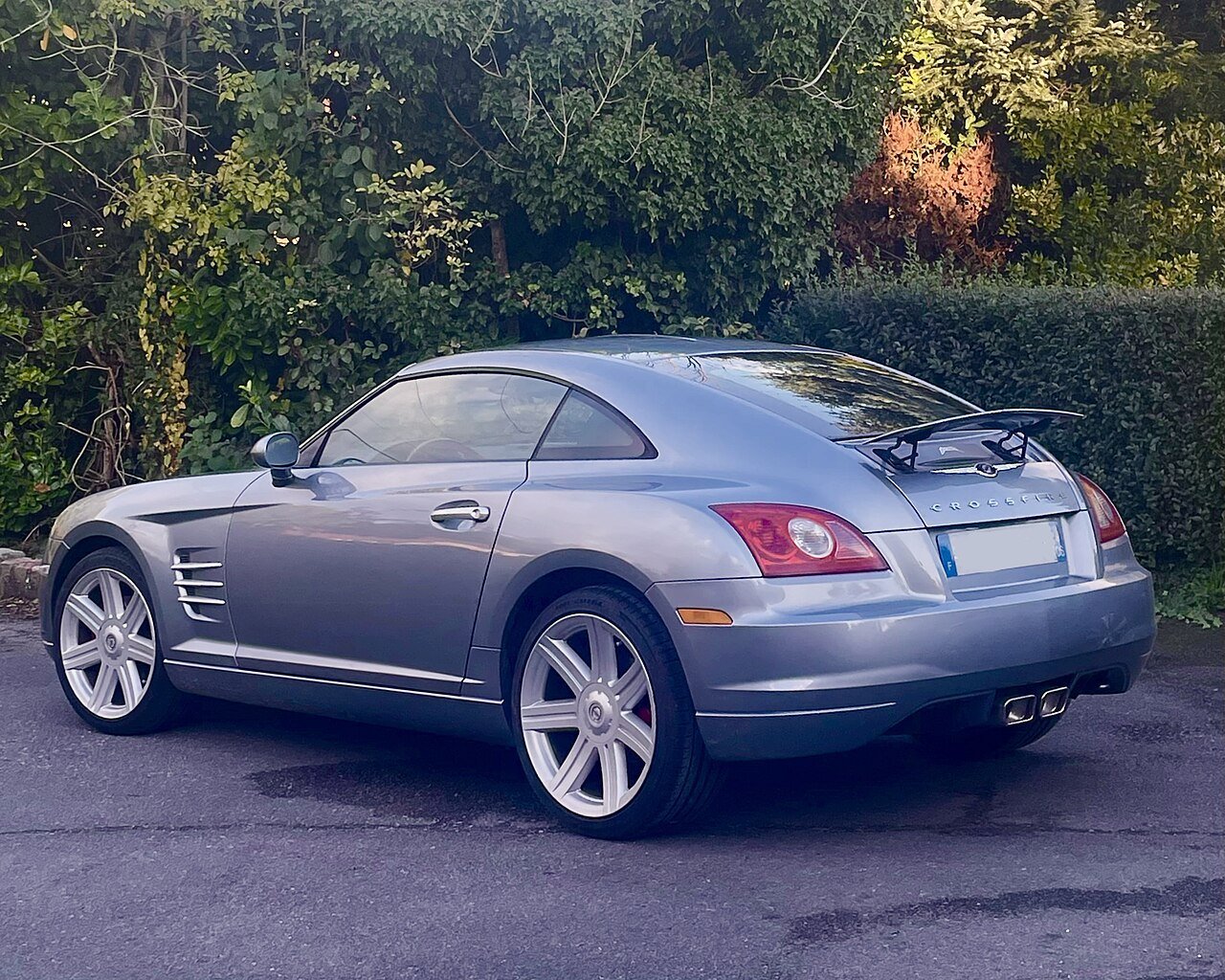
A spoiler modifies airflow where it remains close to the body; a wing is a distinct airfoil intended to create aerodynamic force. Everyday product names often mix the terms, so classify the hardware by shape, location and load path rather than the listing title.
| Style | Typical position | Main buying concern | Likely installation |
|---|---|---|---|
| Lip spoiler | Along the trailing edge of a trunk or hatch | Curvature, edge alignment and adhesive footprint | Automotive tape, studs or both |
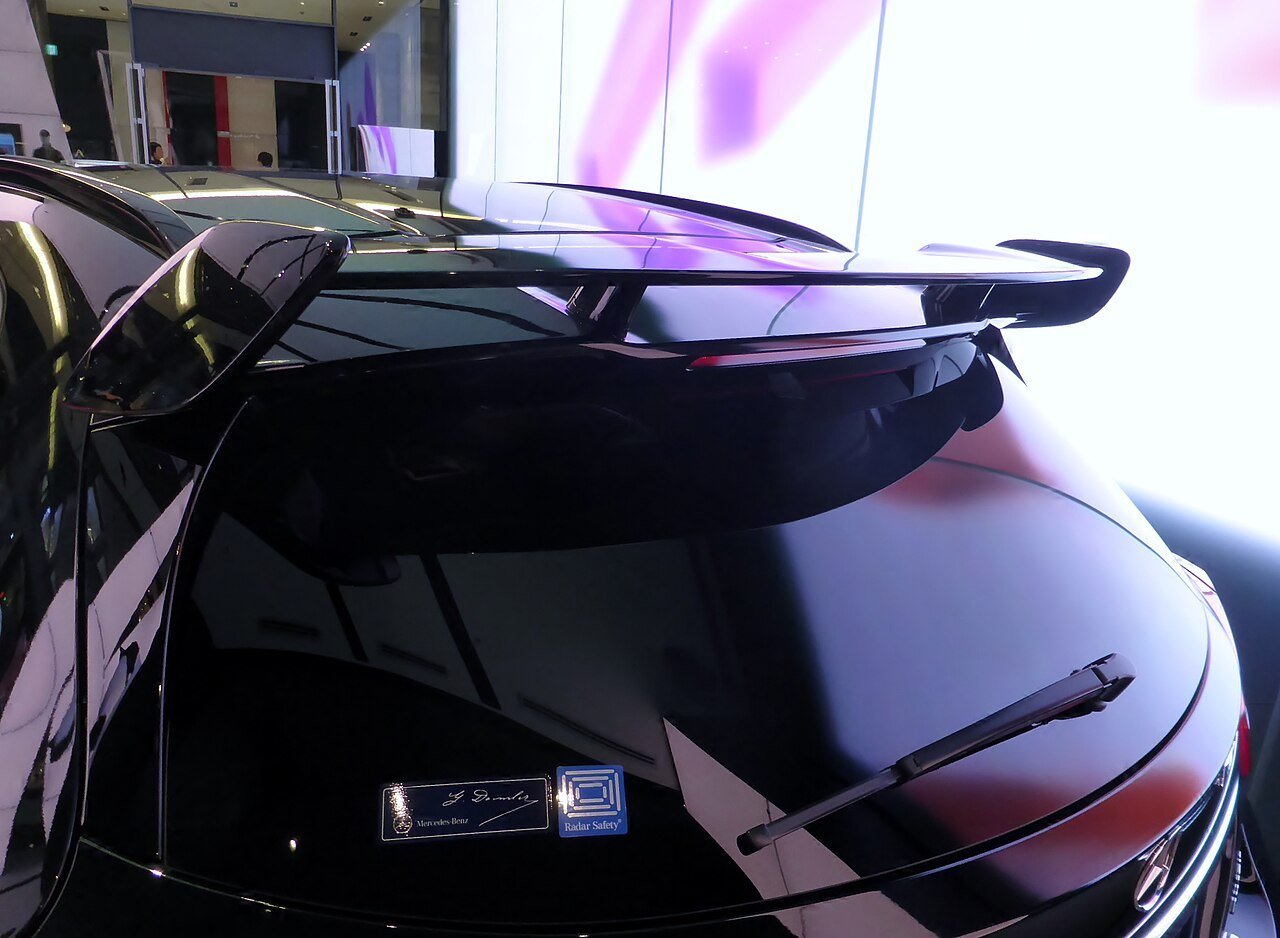
| High-kick spoiler | Rear edge with a raised profile | Centerline symmetry, projection, rear visibility and trunk load | Adhesive, bolts or hybrid mounting |
| Ducktail | Integrated-looking upward extension of the deck | Contact area, trunk opening clearance and water path | Adhesive or mechanical fastening |
| Pedestal wing | Elevated above the deck on uprights | Airfoil angle, bracket reinforcement and load transfer | Usually drilled and bolted |
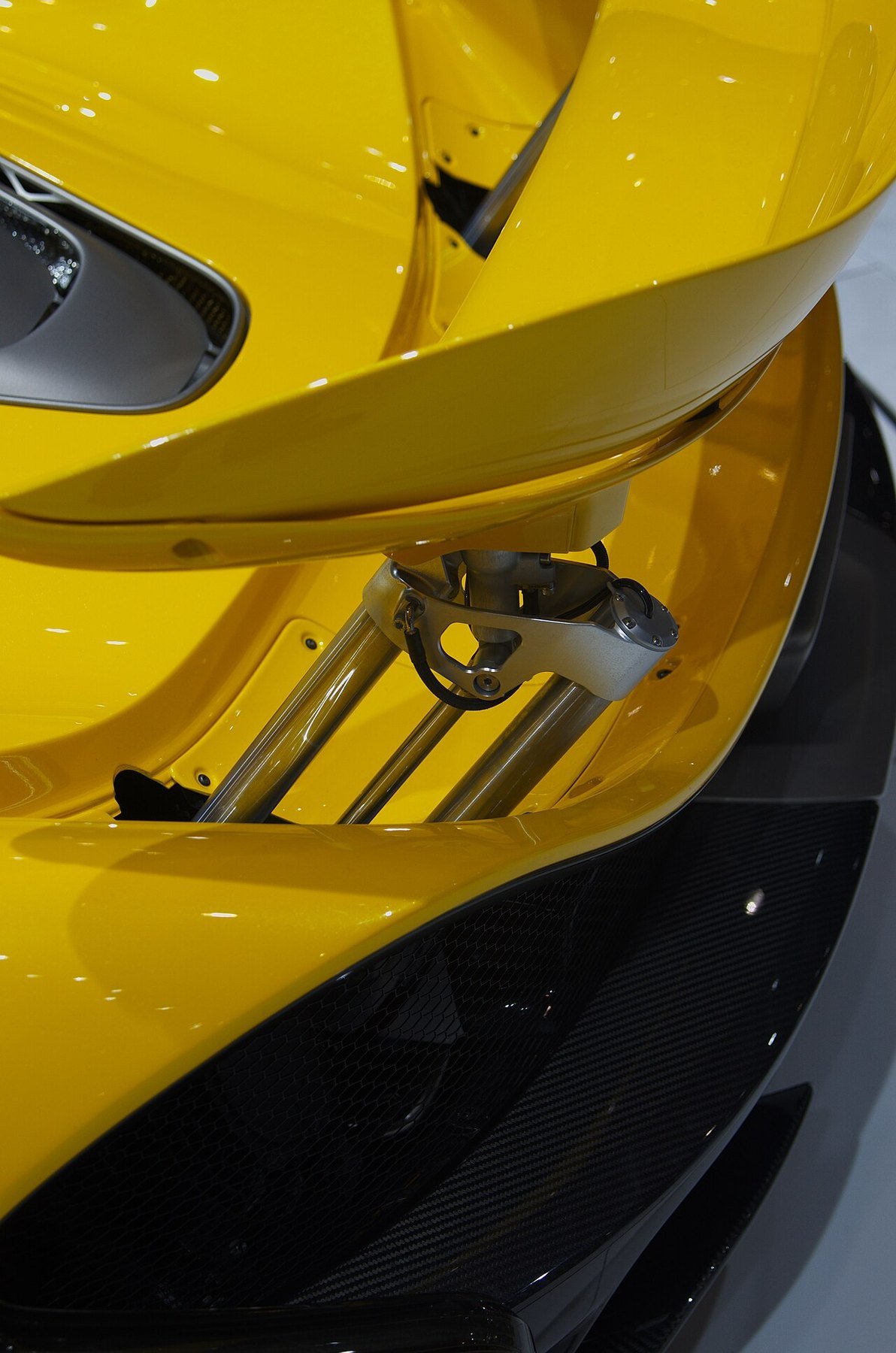
| Active spoiler | Body-integrated mechanism that moves with conditions | Controls, sensors, actuator, fail-safe state and service access | Vehicle-engineered system |
The key distinction is load. An elevated wing can apply force and bending moment through small bracket areas; the deck structure must distribute them. A bonded lip usually creates smaller loads, but its long edge can peel if the surface, tape or shape is wrong. “Universal” does not mean that either load case is safe on every trunk.
How rear aerodynamics actually work
Aerodynamic force rises strongly with speed. NASA’s educational explanation of the lift equation shows that force depends on fluid density, velocity squared, a reference area and a coefficient. Its guide to dynamic pressure makes the speed-squared relationship explicit. The equations are universal; the coefficient and effective area for a specific car-spoiler combination are not.
That leads to four practical rules:
- A result measured at one speed cannot be scaled casually to every road condition.
- A wing section tested alone does not describe its behavior in a car’s separated wake.
- Angle, height, endplates, vehicle rake and upstream roof or glass geometry interact.
- More rear load is not automatically better; vehicle balance, tires, suspension and front aerodynamics must work together.
Research supports that system view. An SAE study of a transient active rear spoiler examines motion and vehicle response rather than treating the device as decoration. Another SAE paper studies the impact of a rear spoiler on braking and longitudinal dynamics. These are evidence that rear aerodynamic devices can matter; they are not proof that a different aftermarket shape on a different car produces the same result.
Why use carbon fiber?
Carbon-fiber composite can offer high stiffness at low mass and a distinctive exposed finish. It also allows complex curved shells and hollow sections. Performance still depends on laminate orientation, thickness, resin, cure, core, inserts and joints. A glossy skin can cover a flexible backing; a heavier hybrid can be more durable for a particular mounting design than an ultrathin cosmetic shell.
For a bonded spoiler, inspect the underside bonding flange: it should follow the trunk curvature without being forced flat. For a drilled wing, ask how the laminate around each stud or bracket is reinforced and whether metal inserts are isolated and bonded correctly. Do not judge only the visible top surface.
Also separate “carbon look” from composite construction. A printed film may meet a styling goal, but it does not establish the same material, stiffness or repair behavior. If the listing uses “dry carbon,” ask for the manufacturing definition, complete mass and internal construction rather than assuming one universal standard.
Which spoiler style fits your goal?
Low-profile trunk lip
Best for an OEM-like visual change, modest projection and simple packaging. The critical dimensions are the trunk’s compound curvature, end position and tape flange. A gap at either end is not solved by pressing harder; it indicates mismatch, distortion, contamination or the wrong tape stack.
For example, the application listing for RevexaAuto’s carbon trunk lip for Lexus IS250/IS350/IS300 should be compared with the MP-style version for the same model family. Similar compatibility can still produce a different profile and contact footprint.
High-kick and ducktail
These create a more prominent trailing edge. Check rear-window visibility, radio antennas, camera view, garage clearance and the added effort when opening or closing the trunk. The RevexaAuto V3 high-kick design for 2021–2025 Lexus IS models and JDM-style trunk spoiler for 2021–2025 Lexus IS illustrate why buyers should choose the shape as well as the application.
Pedestal wing
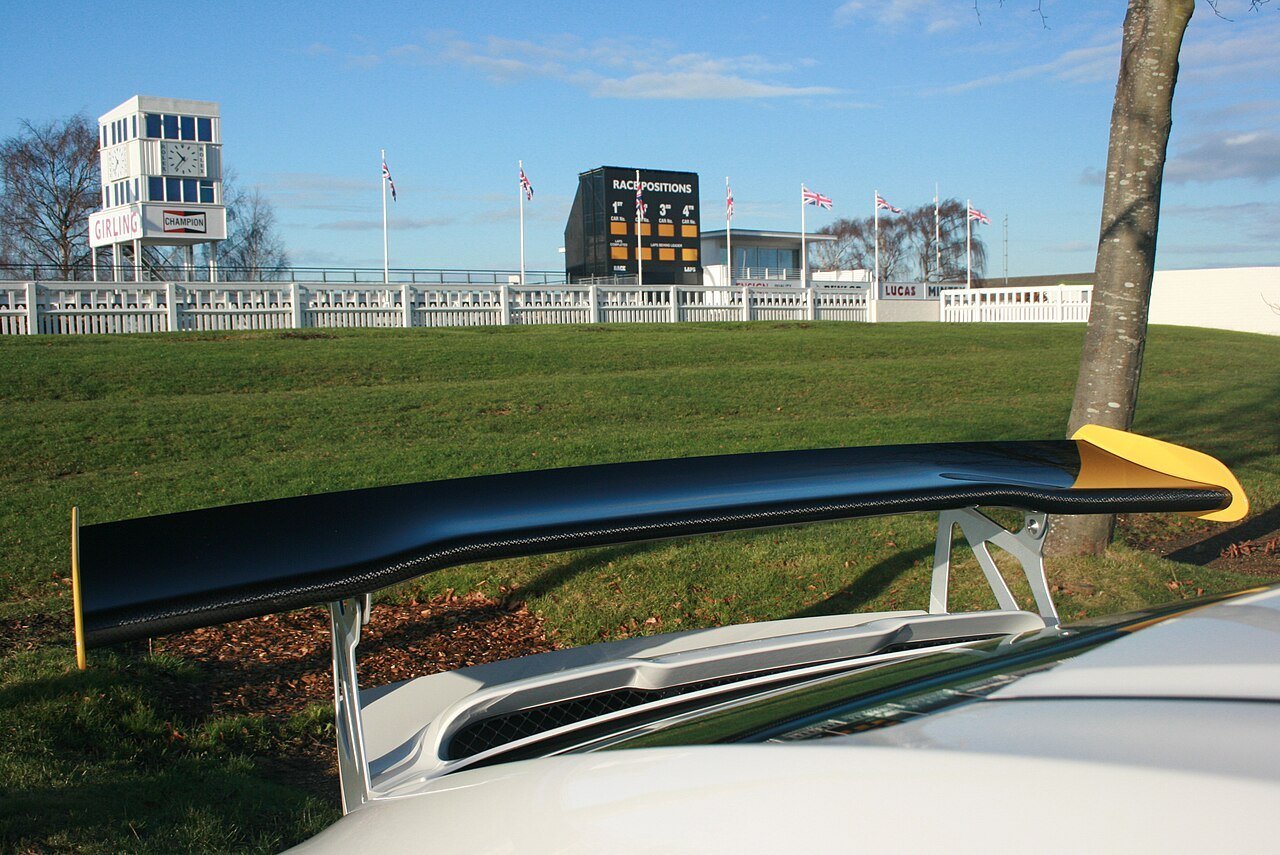
A wing makes stronger engineering demands. Measure span, airfoil chord, upright spacing, base shape, angle range and the structural path below each mount. The trunk skin alone may not be suitable. Reinforcement plates should spread load without creating sharp stress concentrations or trapping water.
Eight fitment checks before ordering
- Exact chassis and model year: confirm the platform and facelift, not just the badge.
- Trunk or hatch version: sedan, coupe, convertible and hatch panels can have different curvature and construction.
- Factory spoiler status: existing holes, clips, paint shadows and wiring may change the installation plan.
- Contact footprint: request underside dimensions, end-to-end span and a template where available.
- Edge and feature clearance: check lamps, camera, antenna, washer, glass, badges and trunk release.
- Opening path: verify the part will not hit the roof, glass or body at full trunk or hatch travel.
- Mounting system: identify exact tape, primer, studs, nuts, backing plates and drilling template.
- Finish and inspection terms: agree on test fitting before paint, drilling or tape removal and document transit damage immediately.
Make a paper or low-tack tape centerline on the car and measure symmetrically from fixed body points. Do not use removable trim or an asymmetrical badge as the only reference. If the panel has been repaired, compare curvature on both sides and disclose that history to the installer.
Adhesive vs drilled mounting
Adhesive mounting avoids holes and distributes load over a long flange, but it needs a compatible surface, correct tape, temperature control, pressure and cure time. Mechanical mounting positively locates the device and is generally necessary for higher loads, but drilling creates permanent holes and demands sealing, reinforcement and corrosion control.
| Method | Works best when | Main failure risk | Inspection focus |
|---|---|---|---|
| Acrylic foam tape | Flange is broad, accurately curved and loads are appropriate | Peel from contamination, cold application, poor wet-out or stored stress | Continuous contact, end lift, tape exposure and water path |
| Studs or bolts | Part and body have engineered hard points or reinforcement | Cracking, leaks, corrosion or local panel deformation | Backing plates, seals, torque and edge distance |
| Hybrid | Tape seals and stabilizes while fasteners locate and retain | Incompatible stack-up or uneven clamp load | Hole alignment, tape compression and drainage |
3M’s guidance on surface preparation for bonding explains why cleaning and surface condition matter. Use the spoiler maker’s named tape and primer system; “3M tape” is not one specification. Do not substitute household foam tape or guess at a promoter.

How to install a bonded trunk spoiler
- Read the complete product instructions and check the weather or workshop temperature requirements.
- Wash the panel, remove wax or sealant from the bond zone as specified and dry it fully.
- Test-fit without exposing adhesive. Confirm end gaps, curvature, centerline and trunk travel.
- Mark the position with removable tape and take reference measurements from stable body features.
- Prepare the surface only with products approved for the paint, tape and spoiler substrate.
- Use pull tabs or another controlled method so the liner can be removed gradually while alignment is retained.
- Apply firm, even pressure across the full bond path; do not press only the visible top.
- Respect the specified dwell time before washing, high-speed driving or loading the trunk edge.
A real OEM procedure can reveal the level of detail expected. Tesla’s service instructions for installing a Model 3 rear spoiler include vehicle-specific preparation and positioning. It is a useful process example, not a substitute for instructions for another car or another adhesive system.
How to plan a drilled wing installation
Drilling should be treated as irreversible body work. Verify the template against the actual wing, place protective tape, check both sides of every proposed hole and inspect for wiring, bracing, seam sealer and latch mechanisms. A hole that lands on a double-skin step or inaccessible box section can make the supplied nut impossible to install.
Use the drill size and edge treatment specified by the manufacturer. Remove swarf, protect bare metal, seal water paths and use reinforcement plates where the design requires them. Tighten in sequence with the specified hardware and torque; crushing the trunk skin is not secure installation. After fitting, test the trunk at full travel and inspect wiring and drainage.
For wings marketed with adjustable angle, document the starting position. A steeper setting can increase both force and drag and may change balance. Without vehicle-specific validation, use the manufacturer’s road-approved setup rather than selecting the most aggressive angle by appearance.
What counts as credible aerodynamic evidence?
Useful evidence identifies the exact car, device geometry, ride height, speed or Reynolds-number range, test method and comparison condition. Good examples include a wind-tunnel balance, pressure measurements, validated CFD or instrumented coast-down and track testing. A smoke image can show a flow pattern but does not by itself quantify lift or drag.
Peer-reviewed research on high-camber and active spoiler behavior and a study of side and rear spoiler aerodynamic properties demonstrate the role of geometry and configuration. A broader review of vehicle aerodynamics and CFD also shows why turbulence models, domains, boundary conditions and validation matter. Treat unsupported “adds X kilograms of downforce” copy skeptically unless the seller states how, where and on what car it was measured.
Possible downsides
- Paint damage: wrong tape, trapped grit or movement can mark the clear coat.
- Leaks and corrosion: drilled holes need durable sealing and metal protection.
- Trunk behavior: added mass and leverage can overpower or alter hinges, springs or powered struts.
- Noise: a raised edge can introduce wind noise; a wing or loose endplate can whistle or vibrate.
- Visibility: high profiles can obstruct the mirror or interfere with cameras.
- Balance: meaningful rear load without compatible front balance can change high-speed handling.
- Legal and insurance issues: projection, edges, visibility and body modifications may be regulated locally.
Inspect the installation after the first drive, after the first heat/wash cycle and at the intervals the manufacturer specifies. Stop driving at speed if an end lifts, a bracket moves, a crack forms or a fastener loosens.
Final buyer checklist
- Goal defined: appearance, airflow management, track tuning or a combination.
- Exact chassis, years, body style and factory-spoiler status confirmed.
- Style identified correctly as lip, high-kick, ducktail, wing or active device.
- Full dimensions, underside footprint and mounting template reviewed.
- Composite construction, reinforcement, finish and complete mass disclosed.
- Named adhesive system or complete mechanical hardware supplied.
- Trunk travel, camera, glass, antenna, lights and service access checked.
- Test-fit, warranty, transit inspection and return conditions accepted before installation.
Frequently asked questions
Does a carbon fiber spoiler improve fuel economy?
Not automatically. Some shapes may reduce drag in a particular vehicle configuration; others add drag while changing lift. Only a controlled comparison on the exact car can support the claim.
Can I install a lip spoiler over ceramic coating?
Do not assume so. Bonding systems need a specified substrate, and a coating may reduce adhesion. Ask the coating, tape and spoiler manufacturers for a compatible preparation method. Removing coating locally may be necessary.
Is drilling always stronger than tape?
No. Strength depends on load direction, flange area, substrate, reinforcement and workmanship. A correctly engineered adhesive joint can be excellent; a bolt through unsupported thin sheet can deform or crack the panel.
Will a universal spoiler fit any trunk?
No. “Universal” usually means the product is not molded for one specific deck. Curvature, width, bracket spacing, underside access and structural capacity still have to match the vehicle.
Where can I compare another application?
For a different vehicle type, review application-specific examples such as RevexaAuto’s prepreg rear trunk spoiler for Aston Martin DB11 or V-style spoiler for McLaren 720S, then request written fitment confirmation for the exact car.
Bottom line: choose the shape for a defined goal, verify the body and mounting interface, and demand evidence before believing an aerodynamic number.



.JPG)
.jpg)


