
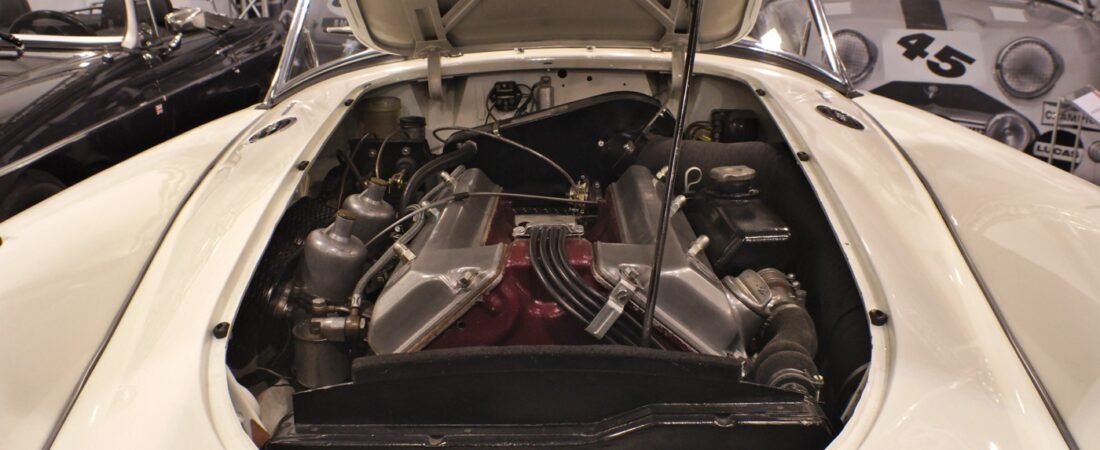
Quick answer: Buy a carbon fiber engine cover against the exact engine and panel location, then verify mounting, service access, nearby components and documented suitability for its use environment. A decorative top cover, engine-bay side panel and rear engine deck panel are different products. Ask for underside photographs, included hardware, material details and installation instructions. A carbon weave or a “dry carbon” label does not prove a temperature rating, power increase or vehicle fit.
An engine-bay styling purchase should begin with a precise description of the part. Retail customers want the right appearance and fit; installers need a clear mounting procedure; distributors need enough application detail to prevent avoidable returns. This guide explains the questions that belong in the enquiry and sample approval.
What does “engine cover” mean in the listing?
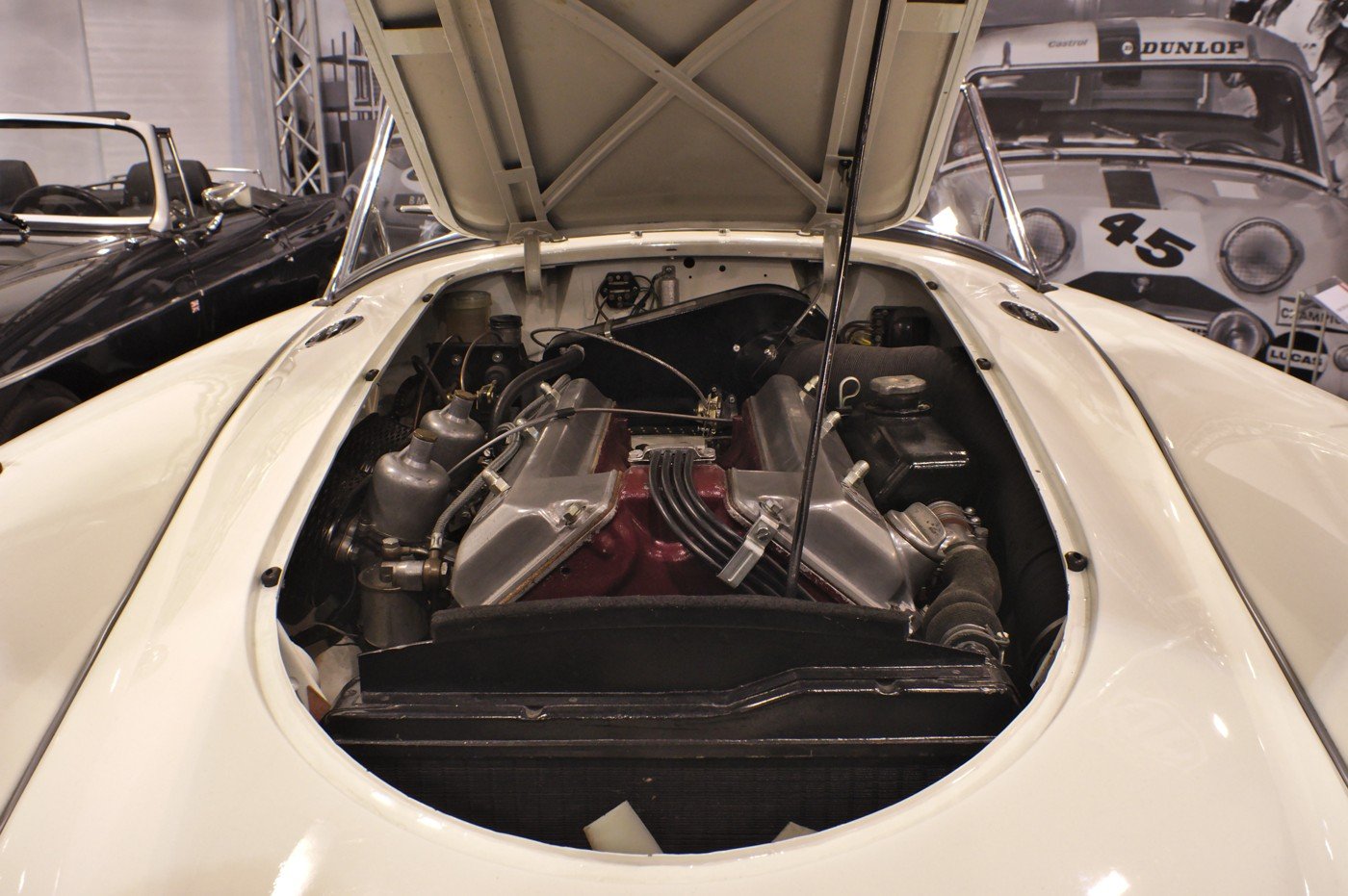
The phrase can describe a removable cover above the engine, side trim around the engine bay, a panel visible beneath a rear window, or an exterior deck panel. Do not order these as if they share the same attachment or function. Identify the original part using photographs and, where available, its part number.
| Product description | Primary checks | Evidence to request |
|---|---|---|
| Decorative top engine cover | Engine code, mounts, oil-cap opening and nearby wiring | Underside photographs and installation instructions |
| Engine-bay side trim | Panel position, fasteners, access and clearances | Full kit layout and labelled installed views |
| Rear engine deck or vent panel | Body configuration, closure operation, openings and attachment | Exact application and original-part comparison |
| Structural or functional component | Its specified engineering function and evidence | Product-specific documentation and qualified assessment |
The catalog illustrates these distinctions: the McLaren-labelled engine cover, 765LT-style rear engine cover panel and Lotus-labelled engine-bay side trim set use different descriptions. Confirm the exact application, part location and contents with the supplier; these links are not a fitment approval for your vehicle.
Check the engine specification as carefully as the model
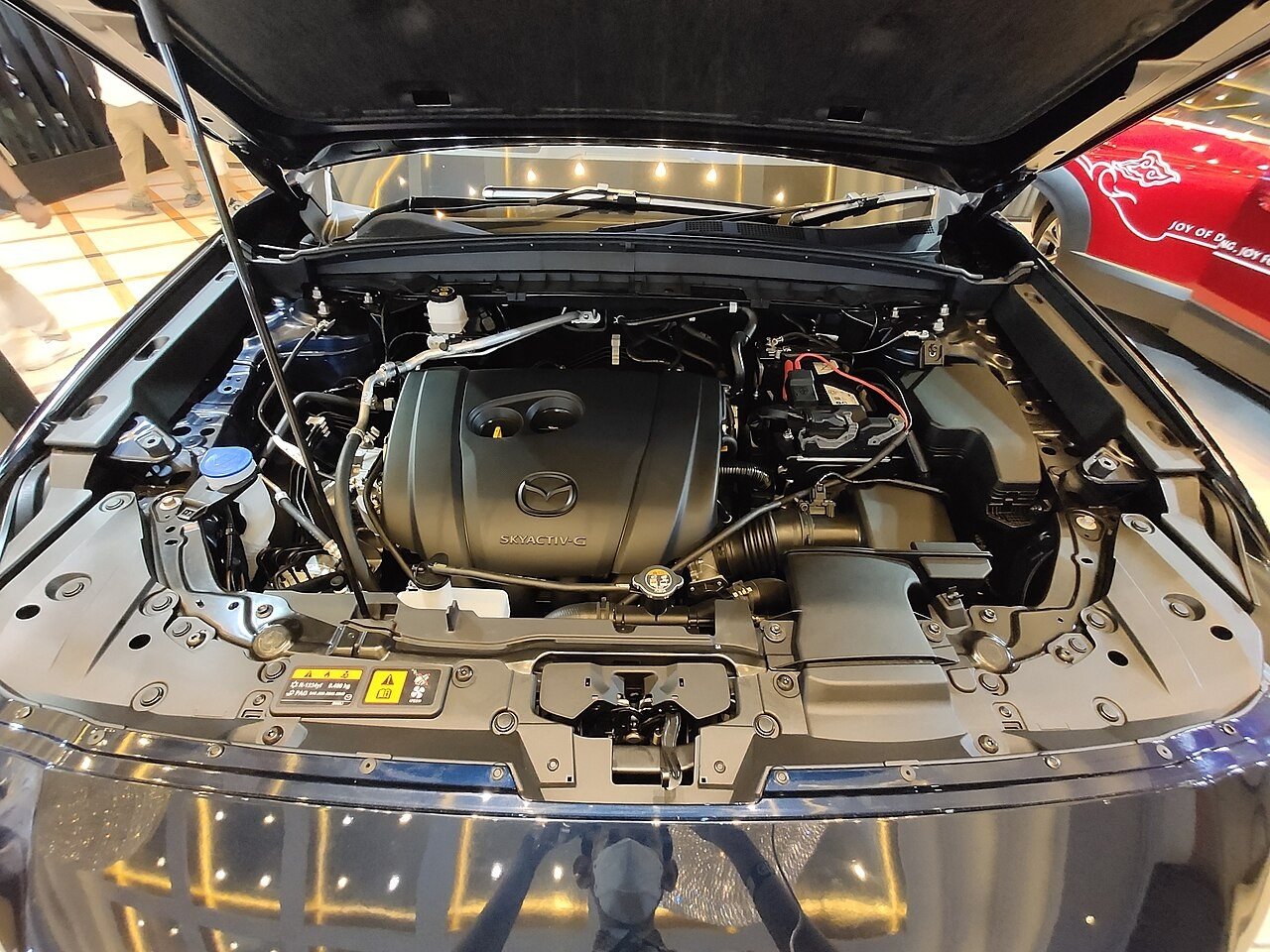
Record the model, build year, generation, body configuration and engine code. Photograph the entire bay and each mounting point, with the engine off and cooled according to the vehicle’s instructions. Note existing aftermarket intakes, braces or other changes that could affect space. A car’s exterior model name may cover more than one engine layout, so the actual mounting geometry matters.
Include a photograph of the original part’s underside if it can be removed safely under the approved procedure. Ask whether original rubber mounts, grommets, brackets or fasteners are reused and whether additional hardware is supplied. Request the instructions for the quoted item rather than a general video showing a similar vehicle.
Heat suitability requires material information
A carbon composite combines reinforcement with a matrix. Hexcel’s product overview explains that carbon prepregs combine woven reinforcement and a resin system. The fibre description alone therefore does not identify the finished panel’s environmental limits. Coating, bonding materials, thickness, manufacturing process and the actual installation all need to be considered.
Hexcel’s prepreg technology guide discusses glass-transition temperature as an indicator related to matrix behaviour and service temperature. Treat this as a materials concept, not a rating for a catalog accessory. A resin specification is also different from validation of a finished part next to particular heat sources.
Request the manufacturer’s documented temperature suitability, intended location and any required clearances. Ask whether stated values describe the resin, a test specimen or the complete finished assembly. The product-specific HexPly M949 data sheet demonstrates how material information is tied to an identified system. It does not establish that an engine cover uses M949. Avoid filling a missing product rating with a value borrowed from another composite.
Questions for the written quotation
- What is the actual construction and resin or substrate description?
- Which vehicle and engine configurations have been checked?
- What environmental limits apply to the finished part?
- Which mounts and hardware are reused or supplied?
- Does the installation require any heat shield or original component to remain?
- What evidence supports any weight, thermal or performance claim?
Keep maintenance access and surrounding components in view
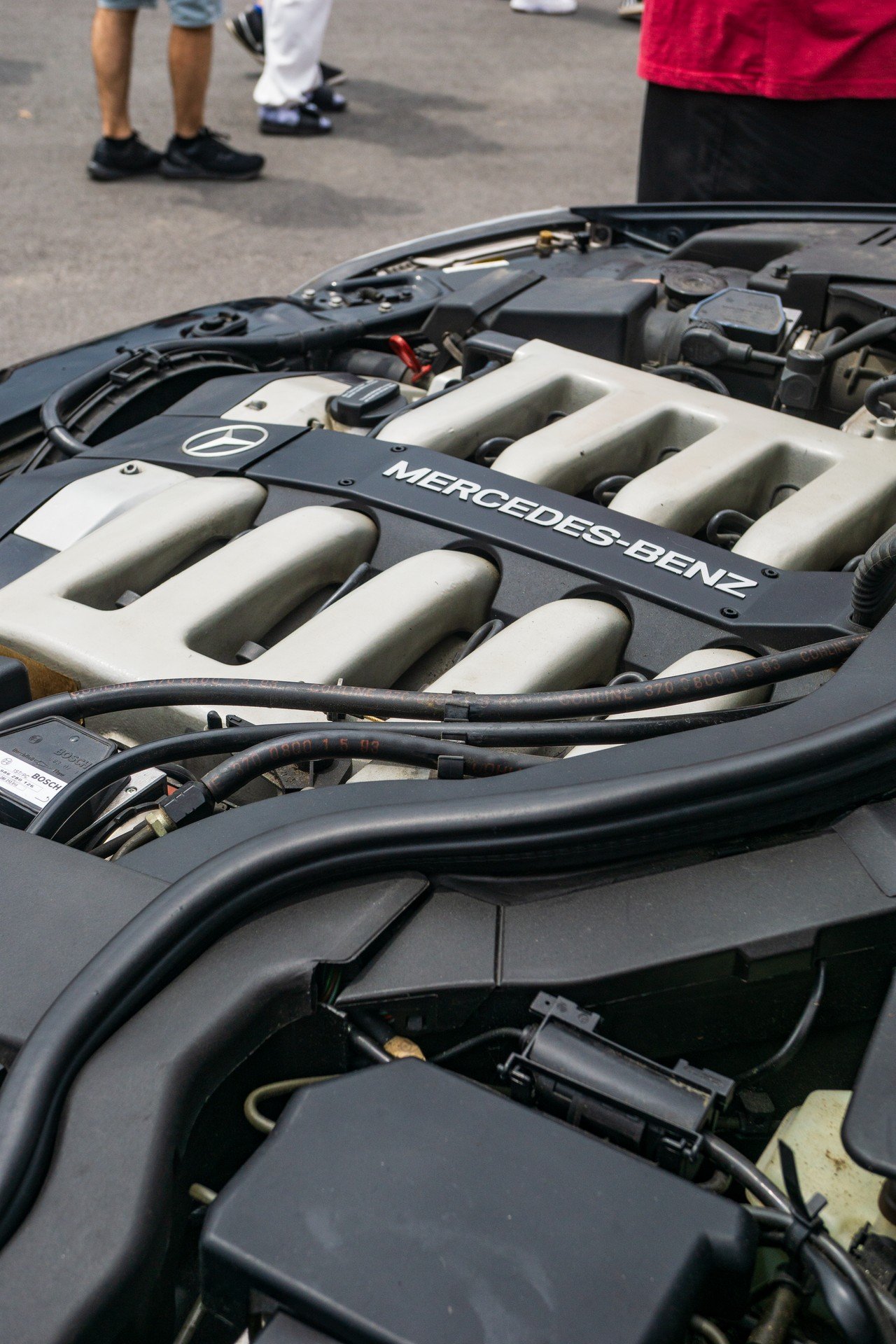
Before approving a sample, identify access to the oil filler, dipstick where fitted, routine service points and the components beneath the original cover. Ask the installer how the new part is removed for maintenance and whether the fasteners remain accessible. Record any removal tools and component-transfer steps in the SKU documentation.
Inspect the planned position relative to hoses, connectors, wiring, brackets and moving components. The aim is a documented installation with clearances confirmed for the specific vehicle. Do not bend a pipe, move a harness or delete an original heat shield merely to make an uncertain accessory fit. Have a qualified installer resolve a mismatch before the vehicle is used.
Toyota’s engine-compartment service precautions address hot components, moving fans and belts, and material left in the bay. The instructions for your own vehicle remain the starting point. Perform visual checks with the vehicle in the specified safe condition; do not reach into a running engine bay to test a decorative cover.
A sample-approval workflow for buyers and distributors
- Check the supplied item. Compare the part, finish, set contents and included hardware against the quotation before installation.
- Inspect construction. Look for cracks, coating defects, unfinished edges and damage around mounts. Record photographs rather than relying on a visual impression from one angle.
- Compare mounts and openings. Use the approved fitting procedure and stop if alignment requires force or an unplanned vehicle modification.
- Verify service access. Confirm that the specified part can be installed and removed without blocking the maintenance procedure.
- Document acceptance. Record the exact vehicle, installer observations, attachment method and photographs of the final position.
- Monitor under the agreed procedure. Follow the supplier’s inspection guidance and have any looseness, contact mark or finish change assessed before continued use.
For repeat purchasing, retain the approved sample record and ask how changes in material, mounting or finish are controlled. A successful sample on one engine configuration does not establish compatibility across the whole model range.
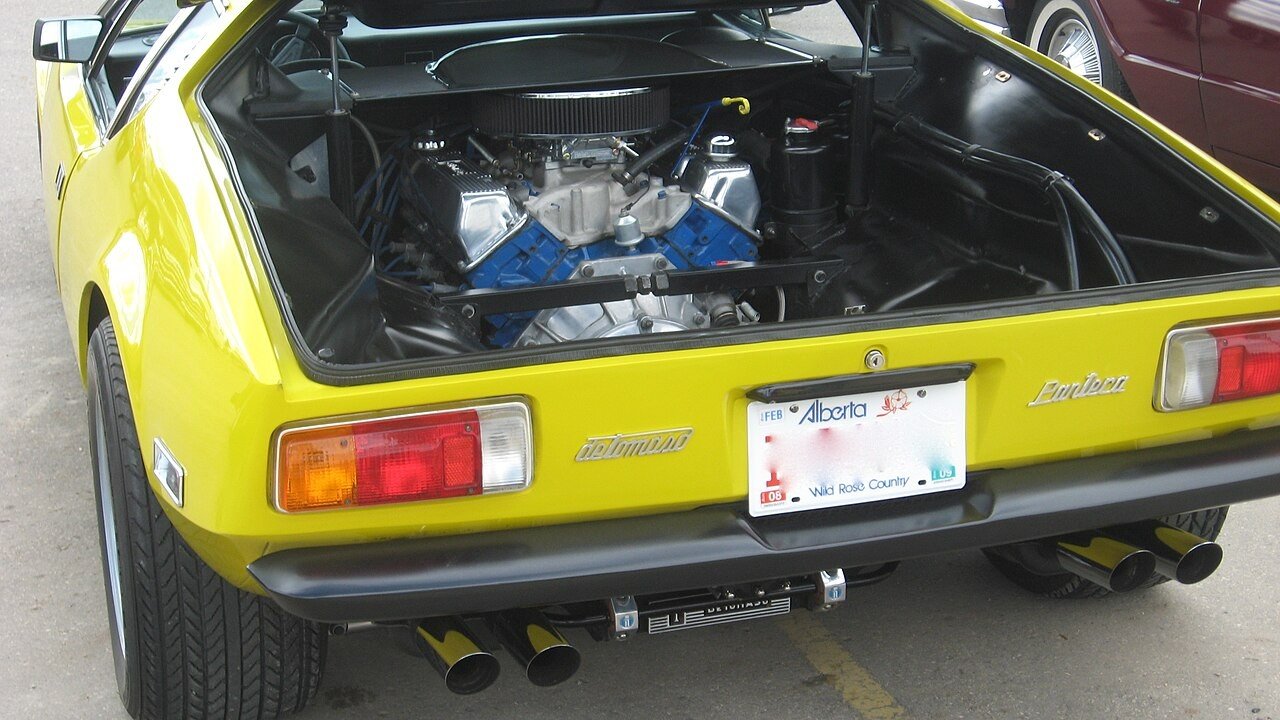
Cleaning: match the vehicle and the accessory finish
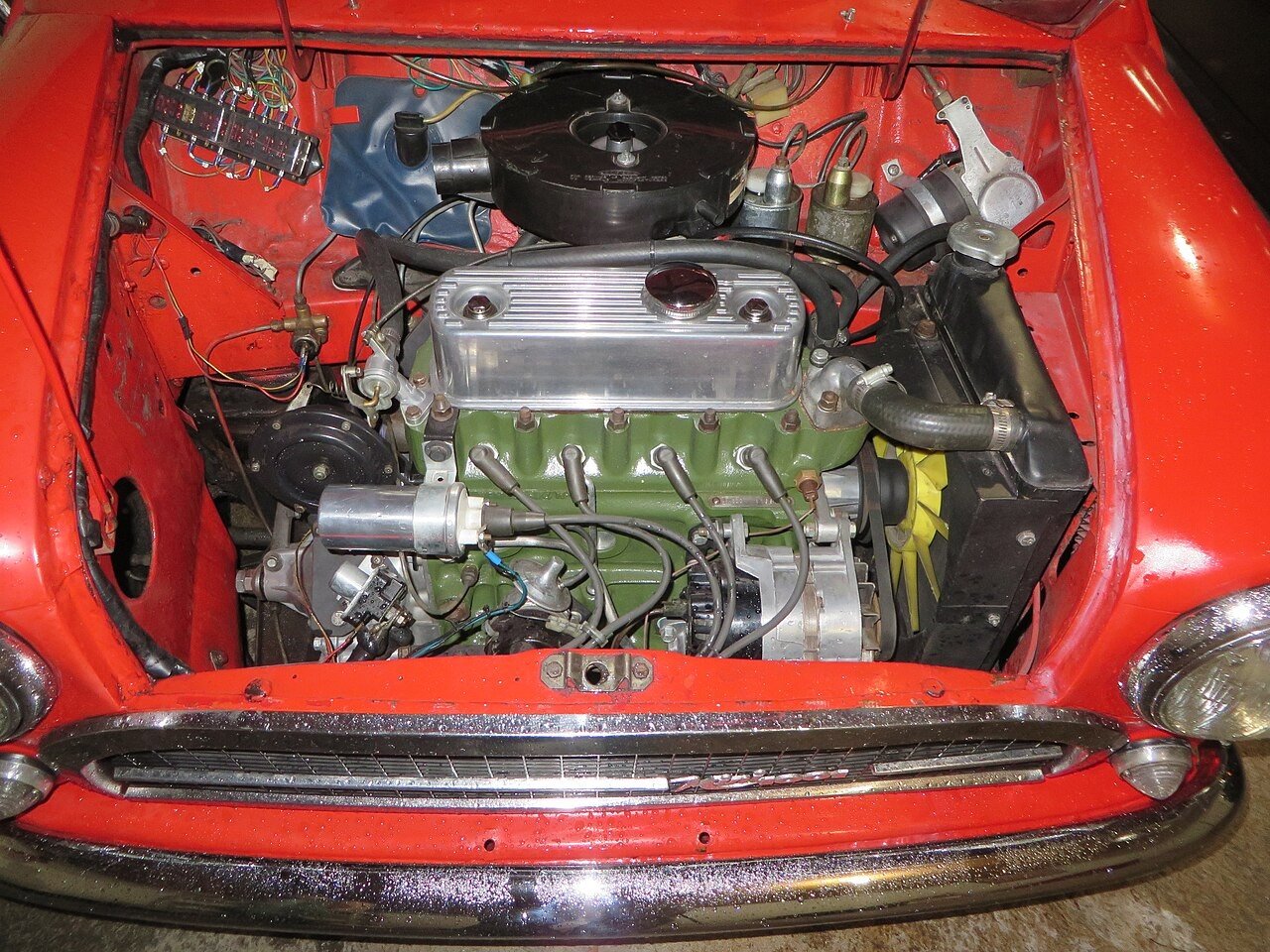
Engine-bay cleaning has different constraints from exterior washing. Ford’s engine-cleaning guidance discusses protecting electrical and air-filter components in the illustrated vehicle. Use your own manual and the accessory manufacturer’s instructions to choose a cleaning process. A removable decorative part may need separate treatment; do not assume exterior detailing instructions apply throughout the bay.
Identify whether the accessory has a glossy clear coat, matte coating or another finish. Meguiar’s Water Spot Remover label information excludes flat, matte and satin finishes from that product’s stated use. This is a useful reminder to read the specific cleaner label and confirm coating compatibility. Do not use an abrasive correction or solvent treatment simply because the part is described as carbon fiber.
Frequently asked questions
Will a carbon fiber engine cover increase horsepower?
A cosmetic cover does not establish a power change. Request product-specific test evidence for a performance claim. Choose a styling part on documented appearance, construction and fitment criteria rather than an unsupported engine-output promise.
Is “dry carbon” enough to prove heat resistance?
No single marketing label provides the complete material and installation specification. Ask for the identified construction, finished-part limits, intended location and relevant evidence. Manufacturing terminology should be clarified in writing.
Can I reuse the original mounting hardware?
Only where the item instructions specify it. Verify mounts, grommets, fasteners and any transfer procedure. Do not guess a torque setting or substitute hardware from a different application.
Can an engine cover hide a leak or damaged component?
Resolve the mechanical problem first. A styling panel should preserve the vehicle’s maintenance procedure and should not be used to disguise a condition that needs inspection or repair.
Prepare an enquiry that can be checked
Request a Revexaauto quote with the exact vehicle and engine code, photographs of the original cover and mounting points, any bay modifications, required finish and quantity. Specify whether you need a top cover, side trim or rear panel. Ask for the product’s installation instructions, supplied hardware and material information before confirming the order. Availability, prices and suitability must be established for the specific item and enquiry.



.jpg)


.jpg)