
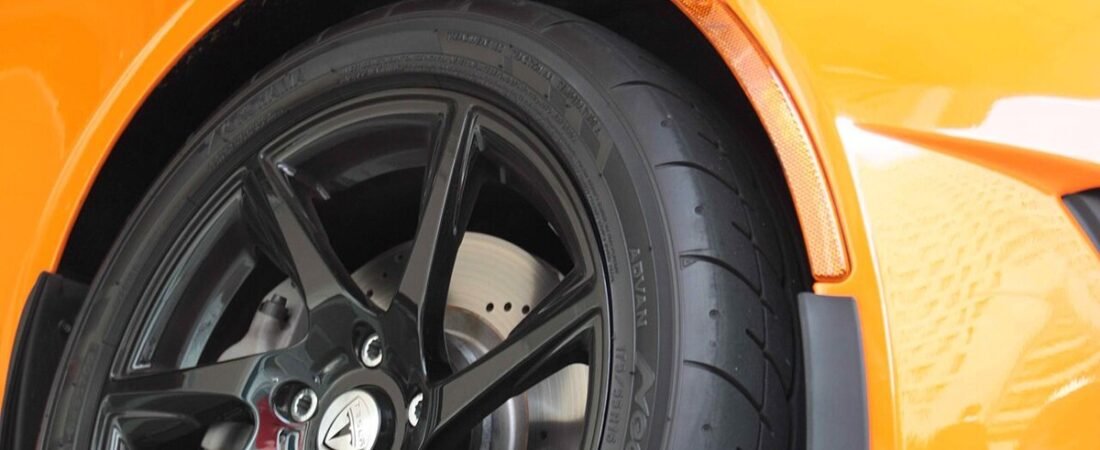
Wheel offset can turn a promising new wheel into a rubbing, poorly fitting purchase. The number describes where the wheel’s mounting face sits relative to its centerline, but it cannot tell you everything about fitment by itself. Wheel width, tire section, brake shape, center bore and the vehicle’s actual clearances all matter. This guide shows how to read the ET number, calculate the change from your current wheels and build a specification a supplier can verify.
Wheel offset: the quick answer
Offset is the signed distance, in millimeters, between the wheel’s mounting pad and the centerline of its width. A more positive ET number generally moves the wheel inward; a less positive or negative number moves it outward when width stays the same. To judge a proposed wheel, compare both width and offset with the current wheel, then check tire, brake, suspension and fender clearance on the exact vehicle. Tire Rack’s offset explanation provides the same basic definition.
What does ET mean on a wheel?
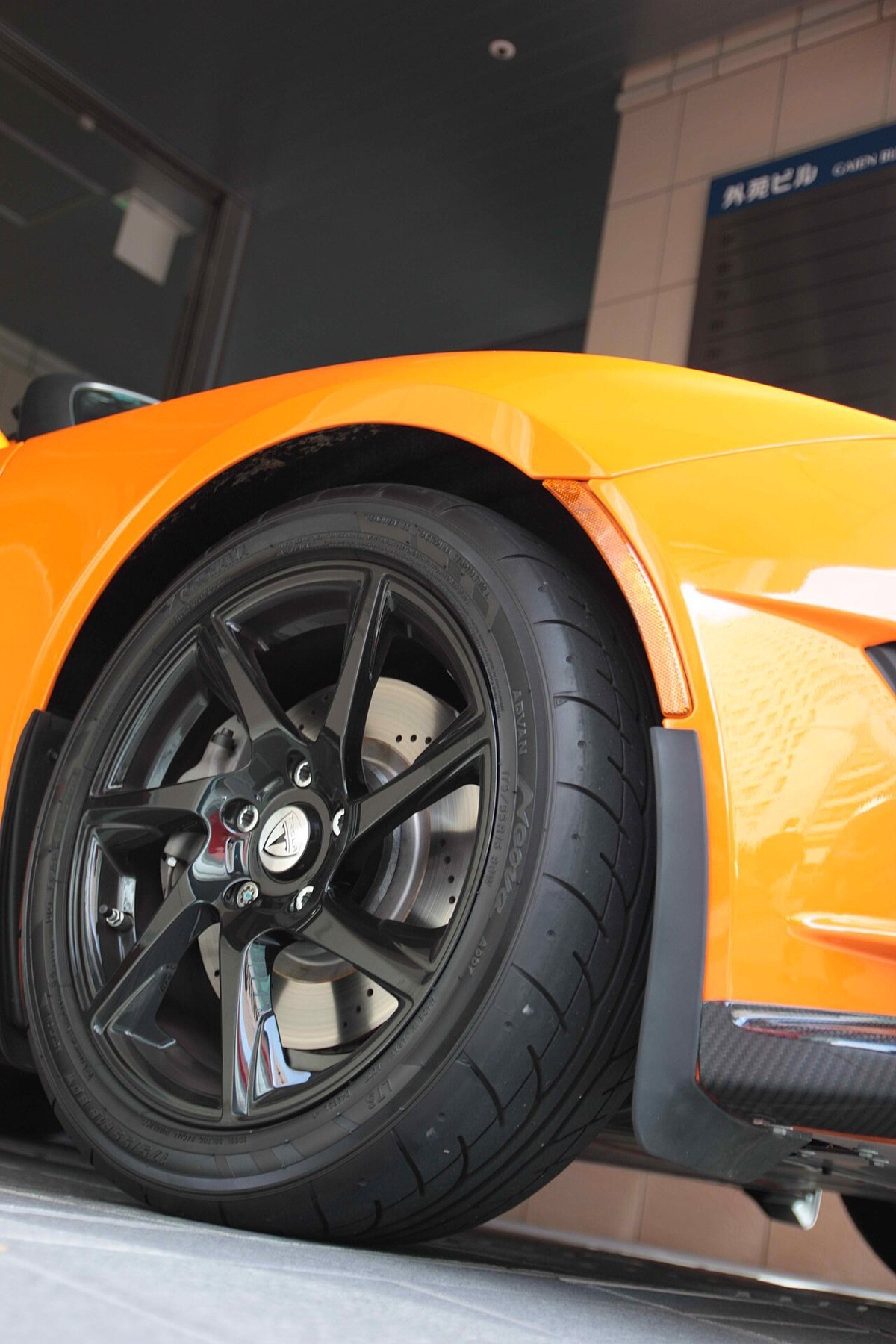
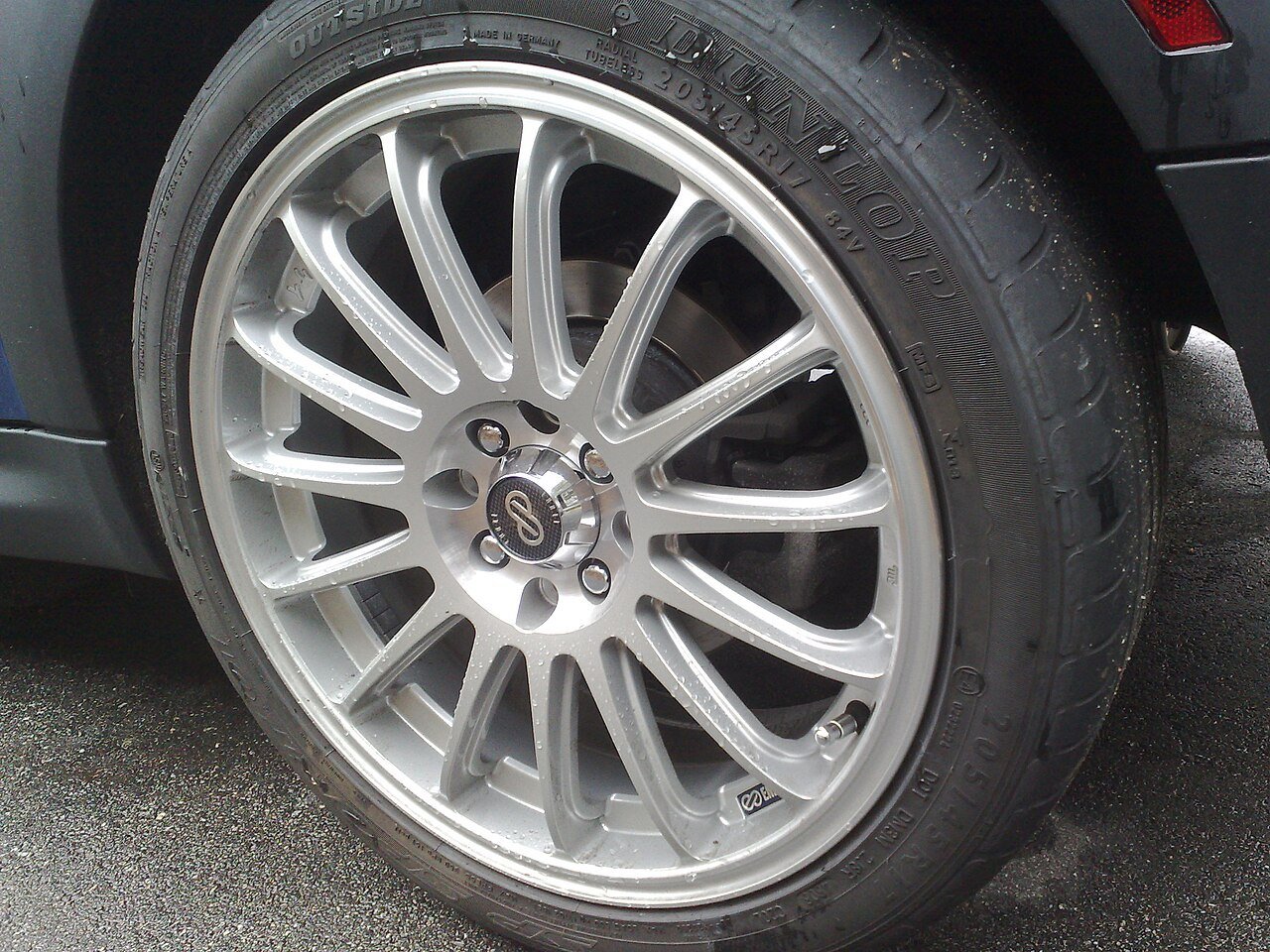
ET is commonly used for offset and comes from the German Einpresstiefe. A stamp such as 18 × 8.5J ET35 describes an 18-inch nominal wheel diameter, 8.5-inch bead-seat width and a positive 35 mm offset. The ET value is not the distance from the face of the spokes to the hub. It is measured from the centerline of the wheel’s nominal width to its hub-contacting mounting surface. Discount Tire’s wheel-size guide explains why diameter, width, bolt pattern and offset all need to be considered together.
Offset can be positive, zero or negative. At zero offset, the mounting pad is on the centerline. With positive offset, the pad is toward the outward face of the wheel; the assembly generally sits farther inward. With negative offset, the pad is toward the back of the wheel and the assembly generally projects farther outward. This describes position, not a universal quality ranking. Many original equipment wheels use positive offset, and neither the largest nor smallest number is automatically safe for a given car.
How do you measure wheel offset?
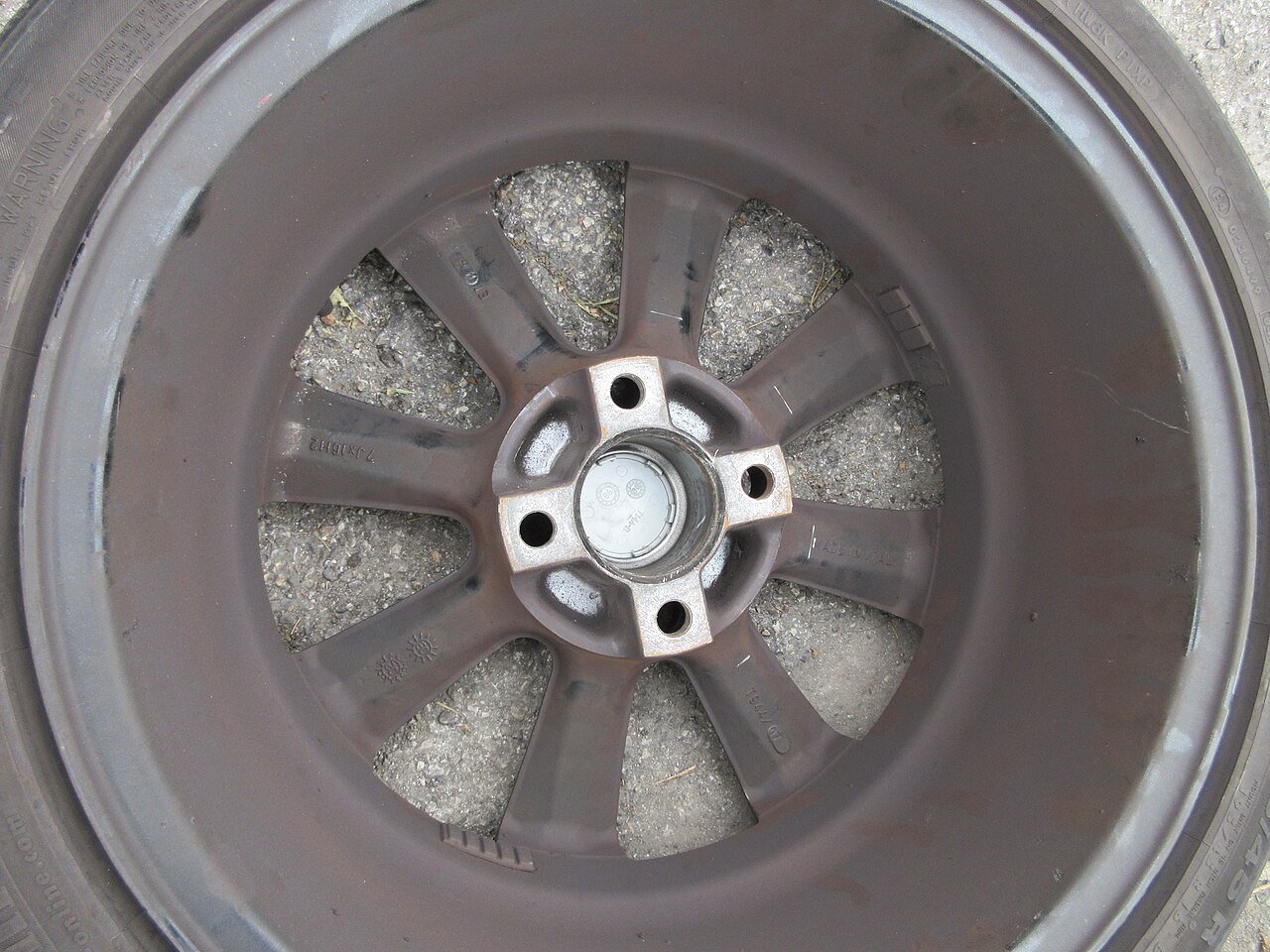
First look for a legible ET or offset stamp on the wheel’s inner barrel or back of a spoke. Confirm it against the manufacturer specification because a casting mark, part number or unrelated dimension can look similar. If the mark is absent, measure the wheel after it is removed from the vehicle. Do not attempt to measure on a wheel that is supporting the car.
- Measure the wheel’s overall width from outer lip to outer lip. Keep this separate from the nominal bead-seat width printed in the size designation. Discount Tire explains the bead-seat measurement and why an outside-lip measurement is larger.
- Lay the wheel face down on a protected, flat surface. Place a straightedge across the inner lip and measure down to the flat mounting pad. That is the backspacing measured to the inner lip.
- Subtract half the overall lip-to-lip width from that backspacing. Convert the result from inches to millimeters by multiplying by 25.4. The signed result is an approximate offset.
- Check the answer against a manufacturer drawing or a wheel specialist before ordering. Lip shape, measuring angle and an uneven straightedge can introduce errors.
The relationship is offset ≈ backspacing − half the overall wheel width, using the same units. It is an approximation because some backspacing conventions and flange profiles differ. Discount Tire’s offset and backspacing reference is useful when comparing the two terms. For a custom order, the supplier’s technical drawing is a stronger source than a home measurement.
Positive vs negative offset: what changes on the car?
If the wheel width and tire are unchanged, moving from ET45 to ET35 shifts the wheel about 10 mm outward. Moving from ET35 to ET45 shifts it about 10 mm inward. A lower ET can improve inner strut clearance while reducing fender clearance; a higher ET can do the reverse. The tire sidewall may be wider than the wheel, so the tire can touch first. Spoke shape also affects caliper clearance independently of ET.
That is why a visual “flush fitment” target should come after mechanical checks. The wheel has to clear the brake caliper, suspension at steering lock, fender liner under compression and any added spacer or brake kit. Tire Rack warns that an incorrect offset can affect handling and that width changes usually require a new clearance check. An offset number copied from another build is a starting point, not proof of fit for yours.
Calculate inner and outer clearance when wheel width changes
Compare the proposed wheel against an existing wheel known to fit. For a first-pass calculation, convert the change in nominal wheel width to millimeters and divide by two. Then compare the offset change. The new outer edge moves approximately half the width increase minus the offset increase. The new inner edge moves toward suspension by approximately half the width increase plus the offset increase. Define “offset increase” as proposed ET minus current ET; a negative result means the proposed wheel has a lower ET.
Example: moving from 18 × 8 ET40 to 18 × 9 ET35 adds one inch of nominal width, or 25.4 mm. Half of that is 12.7 mm. Offset decreases by 5 mm. The outer edge therefore moves about 17.7 mm farther out, while the inner edge moves about 7.7 mm closer to the suspension. These numbers describe wheel geometry, not the final tire envelope. Recheck actual tire dimensions and clearances before making a purchase.
Do not use this calculation to infer that a wheel will clear the brake. Two wheels with identical width and ET can have different spoke profiles and caliper pockets. Tire Rack’s wheel installation manual directs installers to confirm caliper and barrel clearance during trial fitment. It also requires the wheel to sit flat against the hub.
What if I add a wheel spacer?
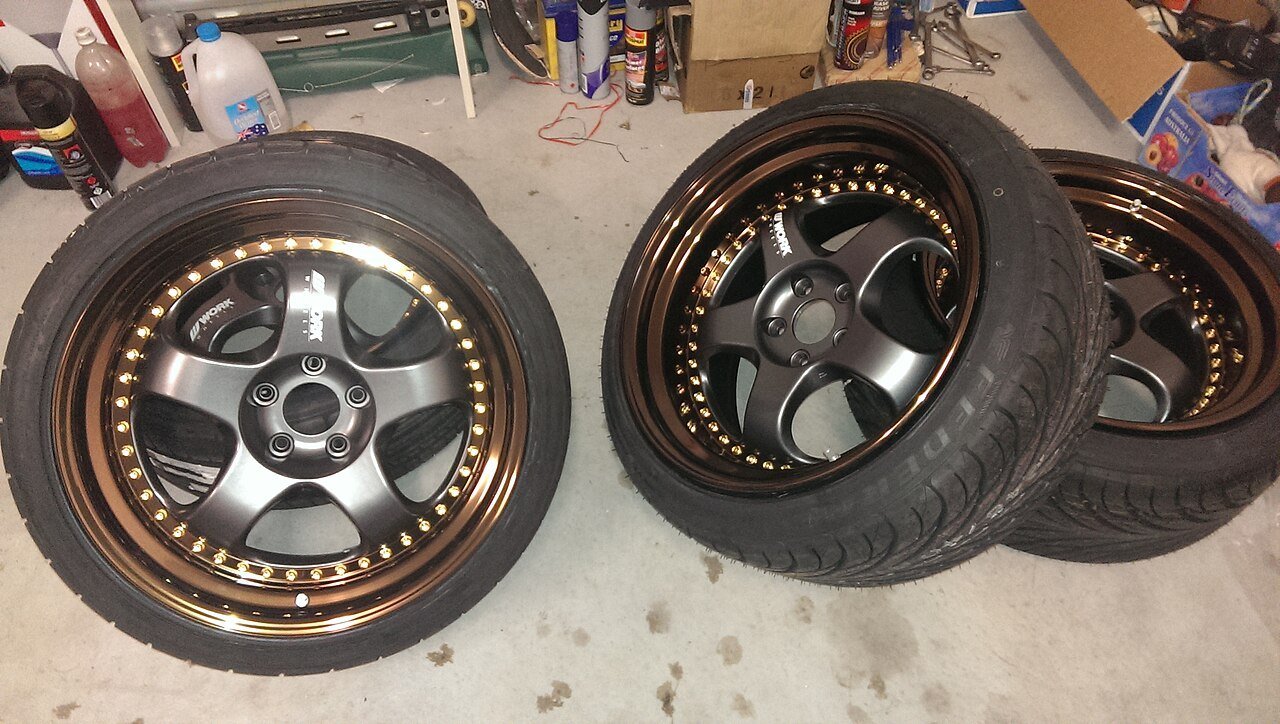
A spacer moves the wheel outward by its thickness. For position calculations, a 5 mm spacer makes an ET40 wheel sit approximately like ET35. This is often called the effective offset. However, the wheel itself is still marked ET40, and spacer compatibility adds separate questions: hub engagement, fastener length or replacement, load path and the manufacturer’s installation instructions. Never treat a spacer as a fix for an incorrect bolt pattern or a wheel that fails to seat flat.
Because the spacer changes wheel position, repeat the fender and suspension checks with the spacer installed. Check the vehicle maker’s guidance and local road rules for your application. Have a qualified installer verify hardware and torque. Do not guess a universal spacer thickness from photographs.
Offset is not the bolt pattern or center bore
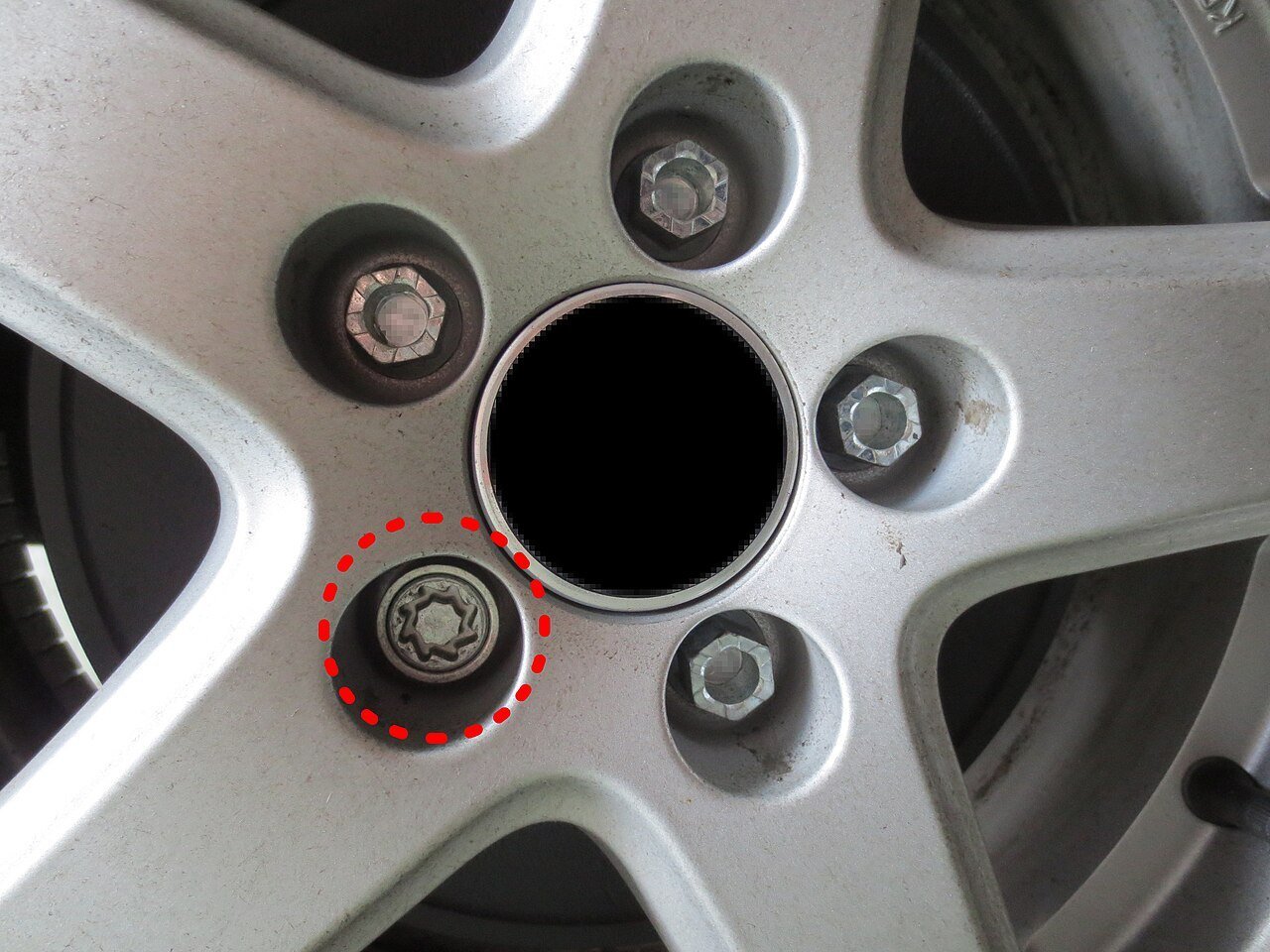
A wheel can have the “right” ET and still be unusable. The bolt pattern or PCD must match the vehicle. In a notation such as 5×114.3, the first number is the lug count and the second is the diameter of the bolt circle in millimeters. Discount Tire’s bolt-pattern guide explains how this is measured and why a close-looking pattern is not a safe match.
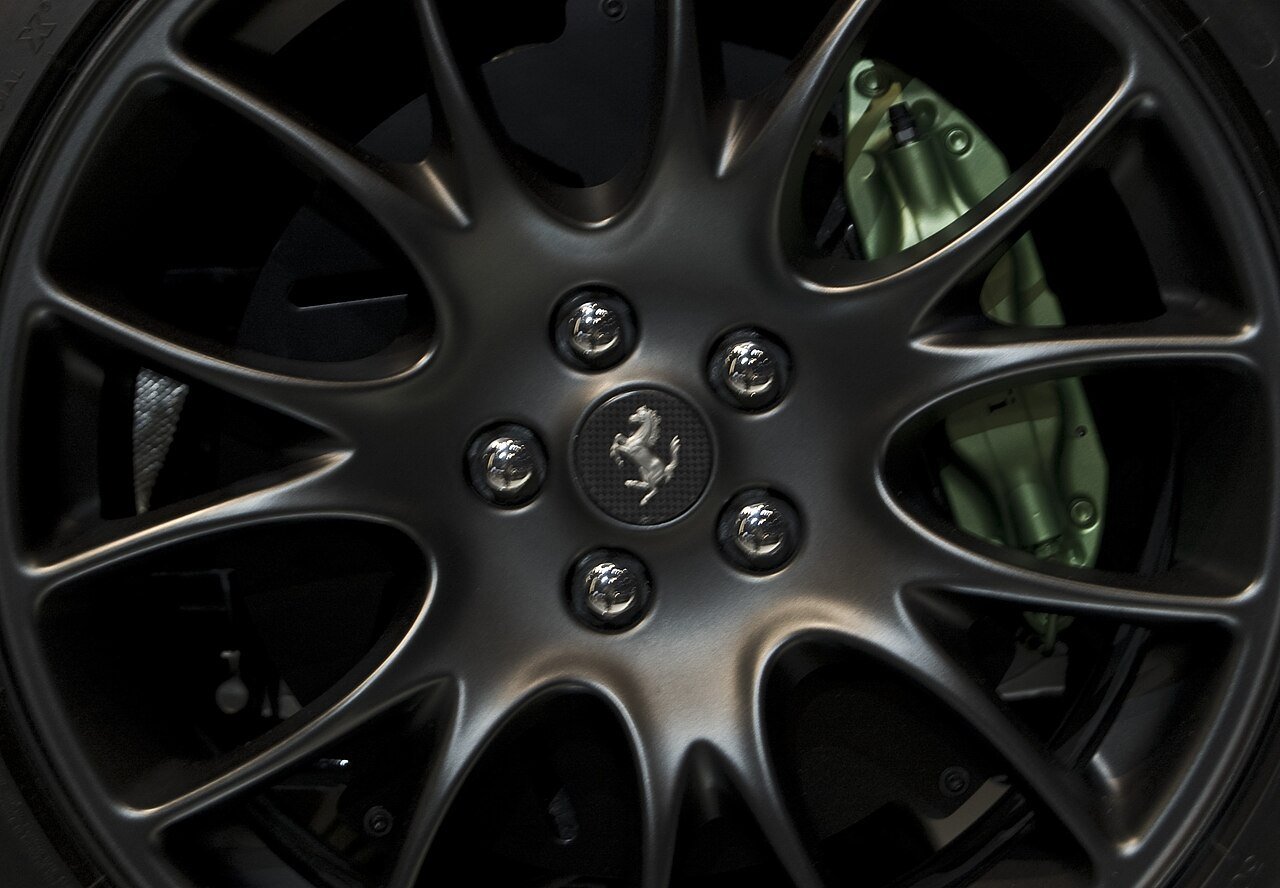
The center bore is the opening on the back of the wheel that locates it on the hub. A bore that is too small cannot fit; a larger bore may need an application-specific centering ring. Tire Rack’s centerbore guide explains this alignment role. The cap that decorates the visible center is a separate accessory with its own size and clip design. If you are finishing a wheel build, compare the mounting style on RevexaAuto’s BMW carbon fiber floating wheel caps and Mercedes floating center caps; confirm your exact wheel opening before ordering either.
A fitment checklist before ordering new wheels
- Vehicle: year, make, model, generation, trim, brake package and any suspension or body changes.
- Current wheel: diameter, bead-seat width, ET, bolt pattern, center bore and installed tire size.
- Proposed wheel: the same dimensions, plus manufacturer part number, load rating and brake template where available.
- Clearance: inner strut and arm at steering lock, brake caliper and balancing weights, outer fender and liner at compression.
- Hardware: correct lug seat, thread, length, center ring if required, and the vehicle maker’s torque specification.
- Accessory finish: cap diameter, retention tabs and protrusion depth if a center cap is part of the order.
Before you approve a custom wheel drawing, ask for a clear rear-face photograph and an installed example on the same vehicle generation and brake package. A CAD drawing or fitment template is more useful than a generic “fits your model” claim. RevexaAuto’s existing 22-inch forged wheel buying guide covers the additional checks that matter with larger diameters. Our forged versus cast comparison addresses construction separately from geometry.
Common wheel offset mistakes
Comparing ET without width. An ET35 wheel can project farther out than another ET35 wheel if it is wider. Use both numbers and check the mounted tire.
Measuring the decorative face. Offset is defined from the mounting pad to the wheel’s centerline, not from a spoke, badge or outer lip to the pad.
Assuming offset proves brake fit. Caliper clearance depends on spoke geometry and barrel design. Trial-fit before mounting a tire if the wheel supplier allows it.
Ignoring the wheel’s other specifications. PCD, center bore, fastener seat and load rating must be correct even when the stance looks right. Discount Tire’s lug-hardware guide explains why seat shape and proper torque are part of safe installation.
Copying a photo setup. Tire model, alignment, ride height, spacer, camber and brake package may differ from the photographed vehicle. A new real-world photo is still useful evidence of appearance, but it is not a fitment guarantee.
Frequently asked questions
Is lower offset always more aggressive?
With width held constant, a lower ET pushes the wheel outward. In a real comparison, width and tire section can change too. Calculate both edges and check clearance.
Can I use an ET35 wheel instead of ET40?
With the same width, the wheel moves approximately 5 mm outward. That may or may not fit. Confirm outer clearance, inner clearance, tire size, brake shape and hardware on the exact vehicle.
Does wheel offset change tire size?
Offset does not change the tire’s printed size, but moving the tire can change which body or suspension parts it approaches. A wider wheel can also change the shape of the mounted tire, so inspect the complete assembly.
Where is ET stamped?
Usually on the back of a spoke or inner barrel, though markings vary by manufacturer. Clean the wheel and verify the full size and part number against the maker’s specification.
Final check: specify the complete fitment
The practical question is not “which ET looks best?” It is “which complete wheel and tire specification fits this vehicle through its full range of motion?” Start with the current known-good setup, calculate the geometric change, inspect the real clearances and request written confirmation from the supplier. If you also want a finishing detail after fitment is settled, compare the design and attachment of RevexaAuto’s BMW floating center cap set with your wheel’s cap opening. The center cap choice comes after the structural wheel fitment decision.
Editorial note: RevexaAuto prepared this guide for buyers comparing wheel specifications. Measurements are general guidance. Have the exact vehicle, wheel and tire combination inspected by a qualified installer before use. Updated October 6, 2026.




.jpg)

