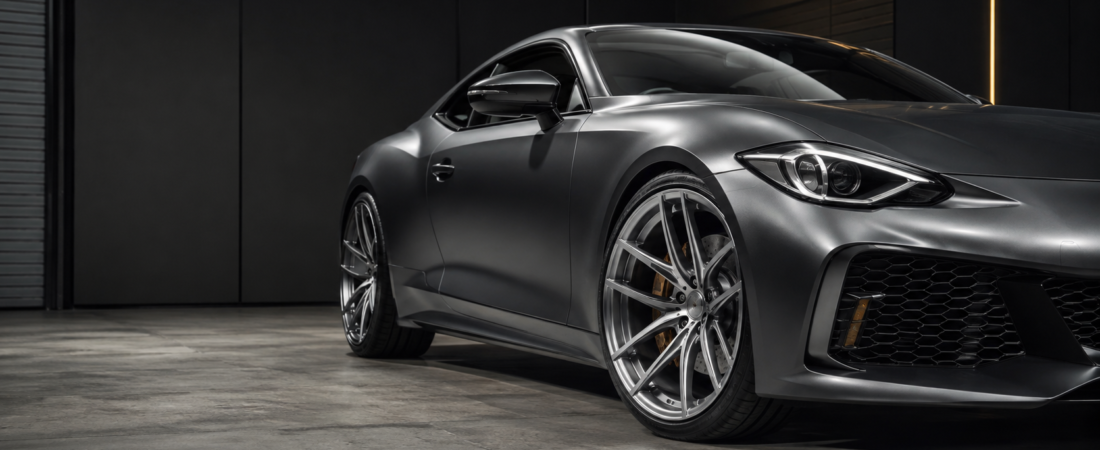
22 inch forged wheels can give a performance or luxury vehicle a more planted stance, sharper sidewall response and a highly tailored finish. They can also expose every mistake in a wheel specification. At this size, width, offset, tire choice, brake clearance and ground clearance all work together. A wheel that looks right in a product photograph may still be wrong for the vehicle.
22 inch forged wheels: the quick answer
Choose a 22-inch forged set when the vehicle, tire package and intended use justify the larger diameter and the custom specification. Before ordering, confirm the exact vehicle generation, wheel width, PCD, offset, center bore, brake clearance, load rating, tire size and finished weight. For a custom build, request a drawing or fitment review before the wheels enter production.
Why 22-inch forged wheels need a complete specification
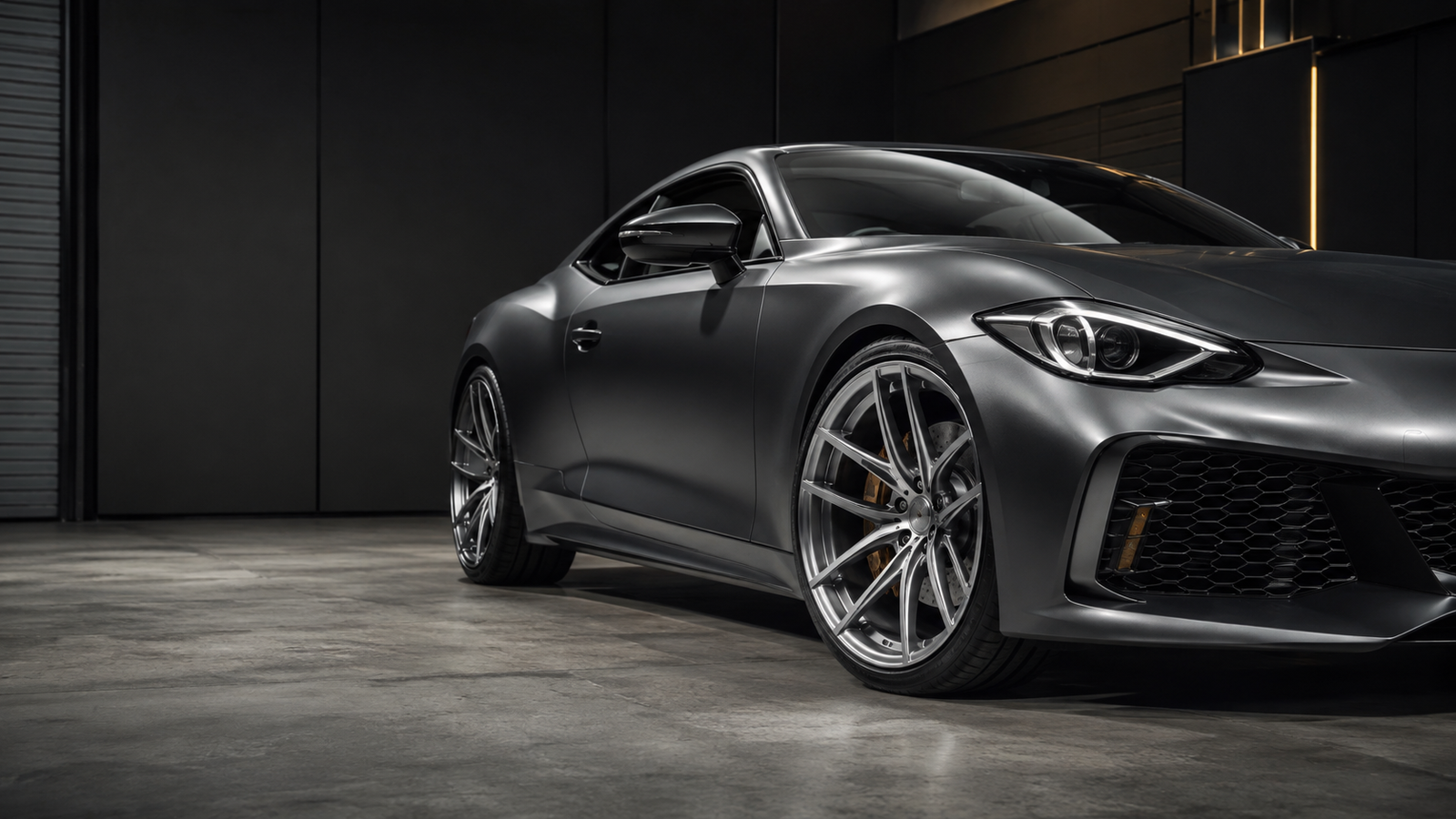
Wheel diameter is only one measurement. A 22-inch wheel can be narrow or wide, shallow or deeply concave, light or heavily reinforced, and suited to very different vehicles. The same nominal diameter may use different widths, offsets and brake-clearance profiles depending on the application.
Forged construction adds another layer of choice. A forged wheel may be machined from a billet or forging blank and then engineered for a specific load, width and spoke profile. The result can support a strong stiffness-to-weight target and a high level of customization, but the word “forged” is not a substitute for verified dimensions, testing or correct installation.
If you are comparing forged vs cast wheels, treat diameter and manufacturing route as separate decisions. A correctly specified cast wheel may suit one vehicle, while a custom forged wheel may be the better fit for a premium or modified build.
When do 22-inch forged wheels make sense?
A 22-inch setup is often chosen for a large performance sedan, SUV, grand tourer or show-oriented build where visual presence and a tailored stance matter. The larger diameter can make the wheel design more visible through the arch and leave less sidewall between the rim and the road. That can create a crisp appearance, but it also reduces the tire’s ability to absorb sharp impacts.
For a daily-driven vehicle, review the roads, parking ramps, winter conditions and local repair access before committing to the size. For a performance application, compare the wheel and tire package with the suspension, brakes and alignment targets. For a distributor or tuning business, confirm that the target vehicle population actually supports the size before ordering inventory.
22-inch forged wheel fitment checklist
Fitment should be approved from vehicle data, not from a photograph of a similar car. Record the make, model, model year, generation, body style, drivetrain and market version. Then confirm the following measurements for the exact wheel:
| Specification | Why it matters | What to confirm |
|---|---|---|
| Diameter | Sets the overall rim size and influences tire sidewall height. | Confirm that the 22-inch wheel works with the intended tire and suspension travel. |
| Width | Changes tire choice, inner clearance and outer poke. | Confirm front and rear widths separately when using a staggered setup. |
| PCD / bolt pattern | Must match the vehicle hub and fastener layout. | State the exact pattern, such as 5×112 or 5×120, in the quote. |
| Offset / ET | Controls the wheel’s position relative to the hub, brakes and fender. | Check inner suspension clearance and outer fender clearance at ride height. |
| Center bore | Centers the wheel on the hub and affects installation accuracy. | Confirm hub-centric fitment or the correct hub ring specification. |
| Brake clearance | Large calipers may contact the spokes or barrel even when the diameter is correct. | Use a brake template or verified drawing for the exact caliper package. |
| Load rating | Must suit the axle load and the way the vehicle is used. | Request the wheel’s rated capacity and the applicable test documentation. |
Suspension changes, wide fenders, spacers, air suspension, upgraded brakes and different tire brands can all change the answer. If the vehicle has been modified, send current photographs and the relevant parts list with the inquiry. This gives the supplier a better starting point than the factory model name alone.
What about 22×12 forged wheels?
22×12 forged wheels can create a wide, aggressive stance, but a wide wheel is not automatically a better wheel. The extra width affects tire section, fender position, steering clearance, suspension clearance and the risk of contact under compression. It may also require a specific tire width, alignment setting or body modification.
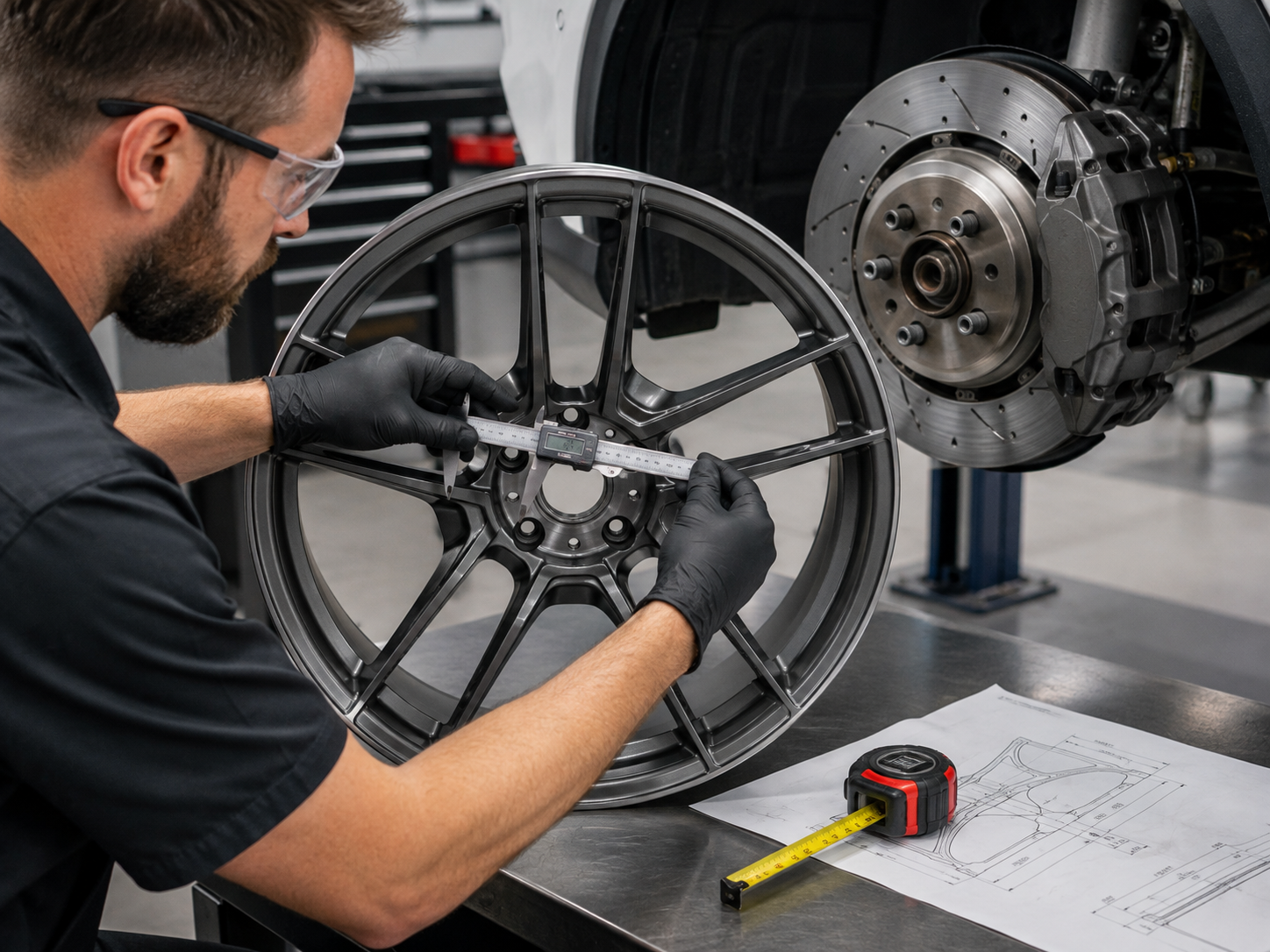
Before selecting a 22×12 specification, ask where the inner barrel and outer lip will sit at normal ride height and at full steering lock. Check the clearance with the actual brake, tire and suspension combination—not a generic test vehicle. A professional installer should also check the wheel with the suspension compressed and the steering at both extremes.
For some vehicles, a narrower front wheel and a wider rear wheel may provide a more balanced package. The correct answer depends on the platform and the intended use. A custom forged wheel supplier should be able to explain the trade-off between width, offset, tire fitment and clearance in the written quote.
Are 22-inch forged wheels lighter?
Forged construction can help a designer target lower mass for a given strength and stiffness requirement, but a 22-inch wheel is not automatically light. More diameter, width, reinforcement, deep concavity and a larger brake-clearance profile can all add material. Finish, hardware and tire selection also affect the complete rotating package.
Ask for the finished weight of the exact wheel size and specification, not a weight from a smaller or narrower model. Compare like for like, including valves, center caps and other hardware where relevant. If ride and response are important, compare the complete wheel-and-tire package and keep the vehicle’s load rating and road use in view.
A responsible supplier should also separate cosmetic claims from engineering information. “Lightweight” is useful only when it is supported by a measured specification and an appropriate load rating. Do not trade clearance or structural margin for a headline number that does not describe the wheels you will receive.
Custom forged wheels vs standard 22-inch wheels
Standard wheels can be a practical choice when the vehicle uses a common fitment and the available offset, width and brake profile are already suitable. They are easier to compare and replace, and they may shorten the decision process for a straightforward road build.
Custom forged wheels become more useful when the build needs a specific width, offset, center bore, spoke profile, concavity or finish. Custom work can also help a distributor or tuning business create a repeatable specification for a particular vehicle platform. The trade-off is a longer approval process, higher tooling or machining cost and the need to confirm every dimension before production.
For a made-to-order set, provide the vehicle, target dimensions, PCD, offset, center bore, brake information, tire size, finish, quantity and delivery country. If you have a wheel drawing or hub measurement, include it. Clear input reduces revisions and helps the supplier distinguish a genuine fitment request from a general product inquiry.
Finish choices for a large forged wheel
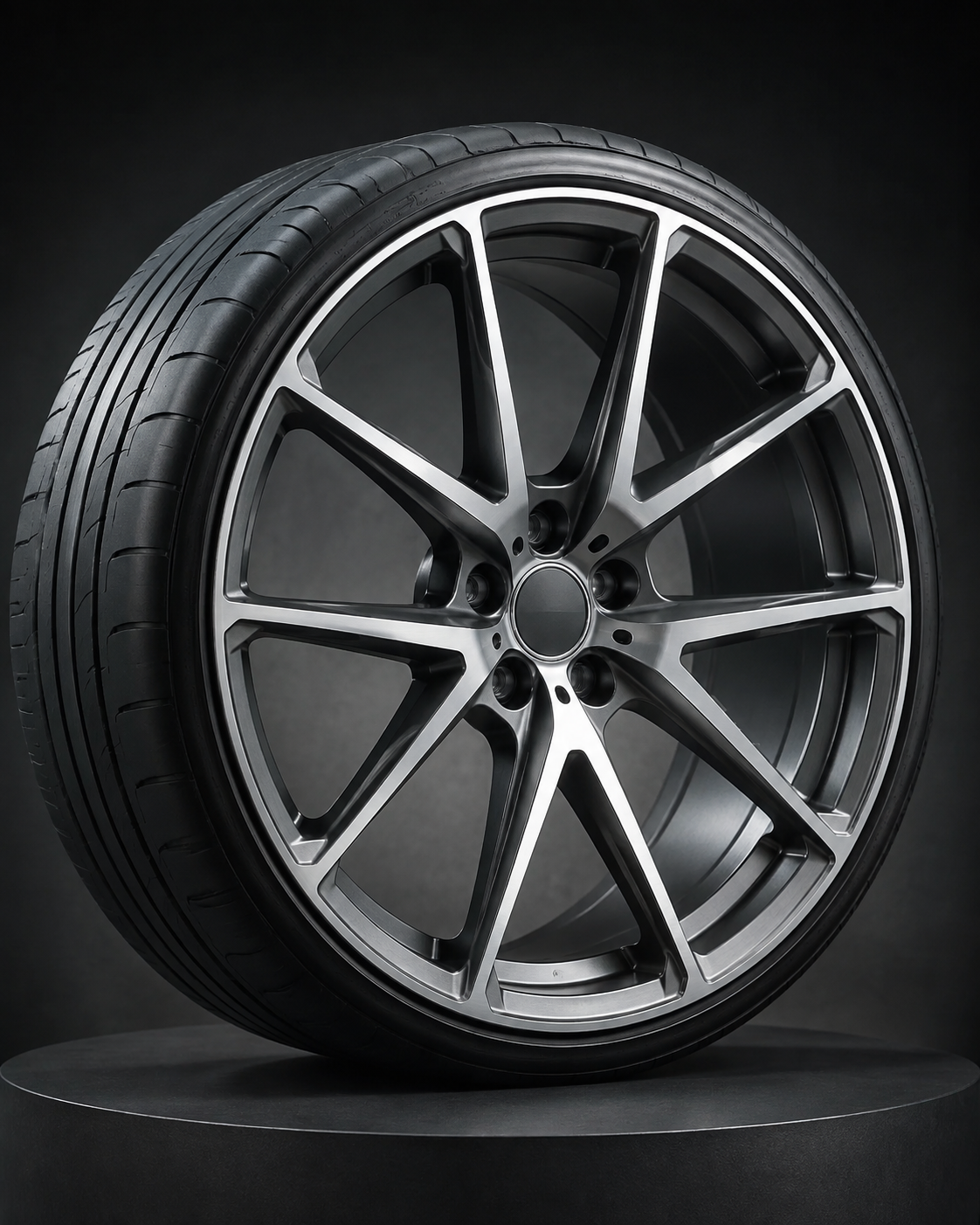
At 22 inches, the finish occupies a large visual area, so small differences in gloss, machining direction or color tone can change the whole vehicle. Common options include satin or gloss paint, brushed faces, machined highlights, polished lips and two-tone combinations. Deep concave spokes can also create strong changes in shadow from one angle to another.
Ask for the complete finish specification: base color, gloss level, machined areas, clearcoat, center-cap color and any accent details. If the vehicle already has carbon fiber parts, compare the wheel finish with the existing weave and trim rather than choosing from a standalone sample. Outdoor use also makes UV protection, cleaning requirements and repair support important.
How much do 22-inch forged wheels cost?
There is no universal price for a 22-inch forged set. Cost changes with wheel construction, alloy, width, concavity, spoke design, machining time, tooling, finish, center caps, hardware, packaging and shipping. A low-volume custom specification may cost more than a standard wheel because engineering and setup are spread across fewer units.
Compare the complete landed project cost. Ask whether the quote includes the selected finish, center caps, valves, TPMS compatibility, packing, freight, duties, replacement support and any special hardware. If the wheels require bodywork, spacers, new tires or additional alignment, include those items before judging the value of the wheel itself.
Questions to ask a forged wheel supplier
- What are the exact front and rear diameter, width, PCD, offset and center-bore specifications?
- What is the verified finished weight for this exact 22-inch configuration?
- What are the load rating and applicable inspection or test standards?
- Will the wheel clear the factory or upgraded brake caliper, including the barrel?
- Which tire sizes are approved for the selected width?
- Are the wheels hub-centric, and are TPMS, valves and center caps included?
- What finish, clearcoat and care instructions apply to the selected surface?
- Can you provide a drawing, brake template or installed reference for the same vehicle?
- What are the lead time, packing method, warranty and replacement policy?
Common questions about 22-inch forged wheels
Are 22-inch wheels too large for daily driving?
Not necessarily, but the answer depends on the vehicle, tire sidewall, road conditions, suspension setup and clearance. A daily-driven vehicle needs enough sidewall and ground clearance for its normal roads, plus a tire and wheel load rating that suit the application.
Can I use 22-inch forged rims on any car?
No. The diameter must be considered with width, offset, PCD, center bore, brake clearance, tire size and body clearance. Confirm the complete fitment for the exact vehicle generation before ordering.
Are forged wheels worth the extra cost?
They can be worthwhile when custom fitment, stiffness-to-weight targets, premium finishing or low-volume design matter to the build. If a standard wheel already meets the vehicle’s requirements, the additional cost may be better directed toward tires, brakes or suspension.
Do 22-inch forged wheels need special maintenance?
They need the same basic care as other quality wheels: automotive-safe cleaning products, correct torque, regular inspection and prompt checking after a hard impact. Exposed machined surfaces and specialty finishes may have additional care requirements from the manufacturer.
Final decision: approve the fitment before the finish
The best 22-inch forged wheels are not simply the largest or most dramatic option. They are the wheels whose dimensions, brake clearance, load rating, finished weight, tire package and finish all match the vehicle and its real use. Approve the engineering specification first, then finalize the appearance.
RevexaAuto can help review a custom wheel request for vehicle-specific and international projects. Send your make, model, year, target size, PCD, offset, finish, quantity and delivery country so our team can confirm the next fitment step before production.
Reviewed by the RevexaAuto Technical Team. Wheel specifications vary by vehicle, brake package and supplier record. Confirm the exact application, load rating and installation requirements in writing before purchase or road use.